The letter says "denied" near the top. Roof claim denied? Here's what to do first: don't argue on the phone, and don't toss the letter. Read it slowly, because the reason the carrier gives tells you which way forward has a shot. In Texas a denial is rarely the final word, and plenty of roofs that got a first-round no end up paid in full once somebody brings the right evidence.
Then again, the carrier might be right. Some claims deserve a denial, and the sooner you know which kind you've got, the less time and money you burn.
Start With the Denial Letter
Texas law requires your insurer to explain in writing why it turned the claim down. Treat that letter as your map. Find the specific reason and the policy language it points to, then match it to one of these:
- Wear and tear or age. The adjuster thinks you're looking at long-term deterioration, not a storm.
- No storm damage found during the inspection. Happens a lot when the adjuster only looked from a ladder or from the ground.
- Below the deductible. Not technically a denial. The estimate landed under your wind and hail deductible, so the carrier owes nothing.
- A cosmetic damage exclusion, which shows up a lot on metal roofs: the policy leaves out dents that don't let water in.
- Late notice. The carrier thinks you waited too long after the storm to report it.
- Prior damage, from before your policy started or from an earlier claim you never repaired.
Each of these gets fixed a different way. Wear-and-tear denials need better evidence. With a below-deductible result, look hard at whether the scope left items out. A cosmetic exclusion is really a question about policy wording, and late notice hinges on dates and on whether the delay actually hurt the carrier's ability to investigate. Prior damage fights usually get settled by old photos, an earlier inspection report or a home sale disclosure showing what the roof looked like before the storm.
So if you're sitting there thinking "my roof claim was denied, what do I do?", sorting the letter is the first half of the answer. Once you know your category, you know whether you need stronger evidence, a different reading of the policy, or just a different decision about filing at all.
Keep your policy open next to the letter. Policies vary a lot from one carrier to another, and none of this is legal advice; it comes from our team's 30+ years of insurance claim experience on the roofing side.
Get a Second Opinion on the Roof Itself
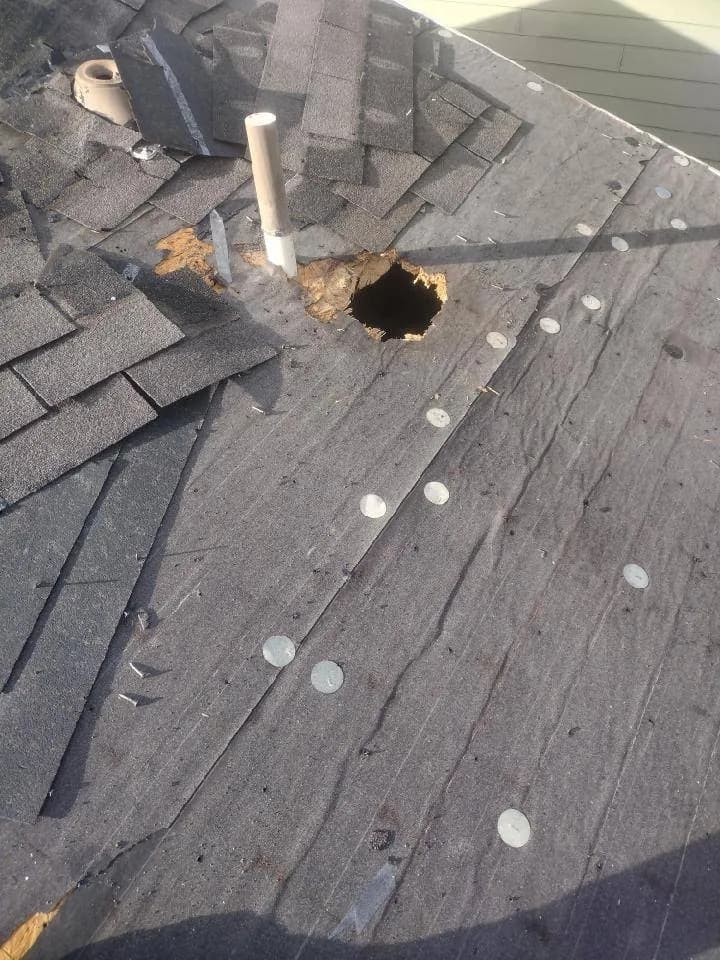
Before appealing anything, find out if the carrier got it right. Have a contractor who works storm claims inspect the roof, and ask for a written report with photos. An honest second opinion does one of two things: it confirms the denial and saves you a fight you'd lose, or it hands you the evidence to reopen the claim.
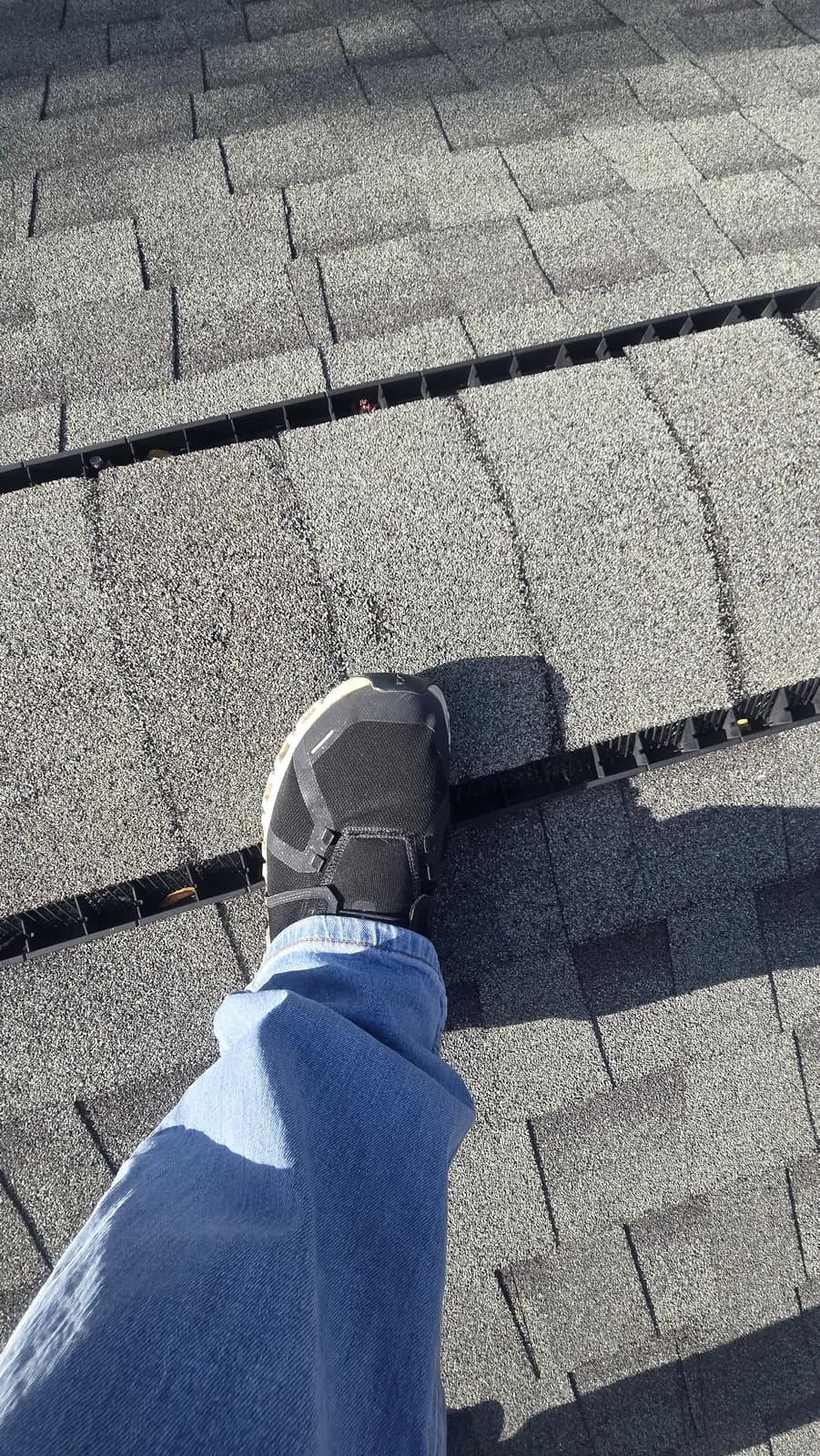
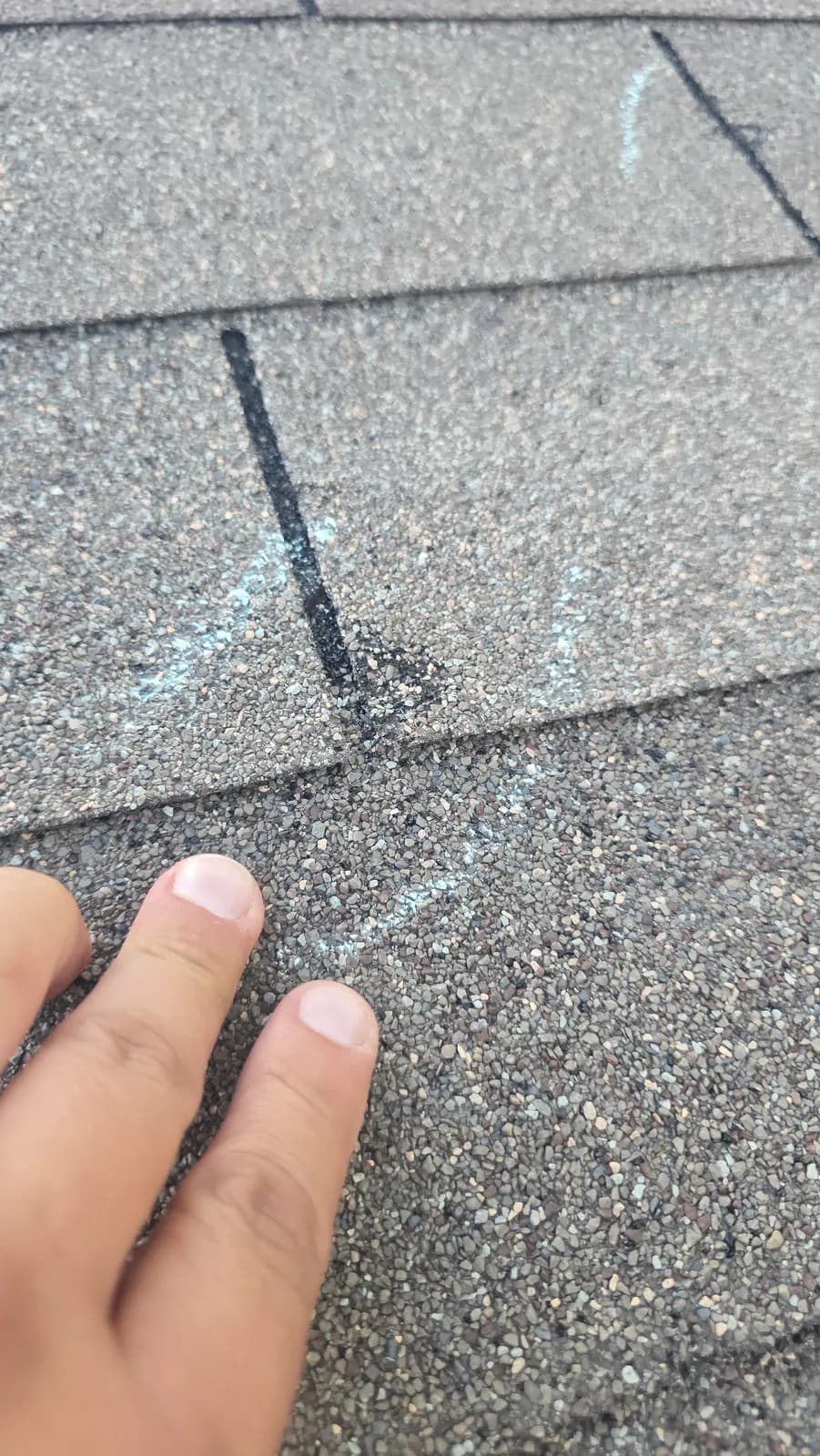
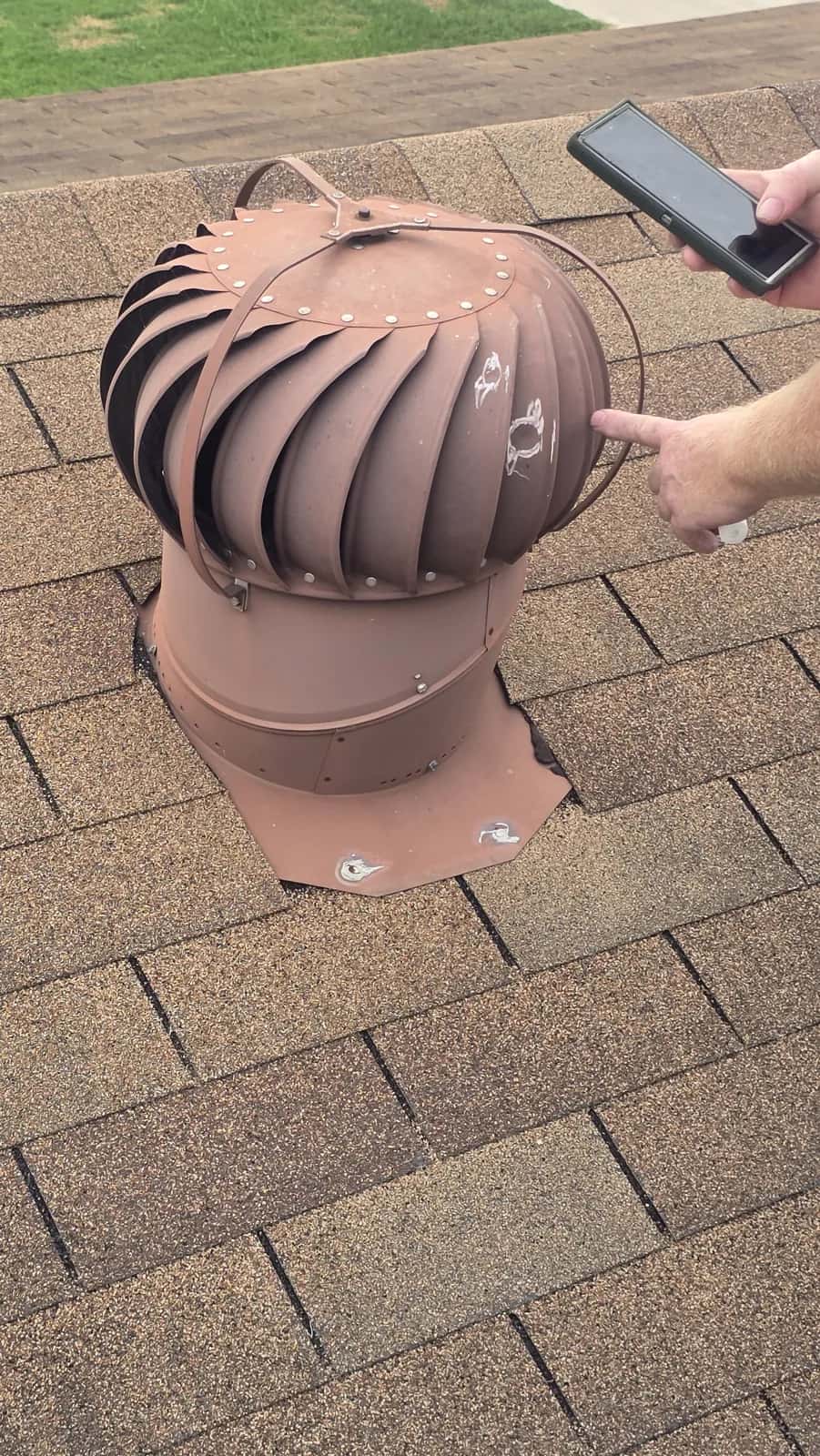
Carriers change their minds over documentation, not frustration. That means close-up photos of hail hits, each with a chalk circle and something for scale. Test squares on every slope, counting hits per 10-by-10-foot area. Dents in soft metals like vents, gutters and downspouts, which help date the storm. Storm reports placing hail at your address on the date of loss. And if the denial says wear and tear, proof that the damage is random and fresh rather than the even look of an aging roof. Our free roof inspection produces that kind of report, and you can see the damage we document on our hail damage roof repair page.
If we look at your roof and agree with the carrier, you'll hear it from us. A former adjuster is often the first one to say a claim isn't worth pushing.
Request a Reinspection and Submit New Evidence
Say the second opinion turns up real storm damage. Now you write to the carrier, ask them to reopen the claim and send an adjuster back out, and attach the new report and photos. Ask for your roofer to be there for the reinspection (and then make sure they show up). With someone on the roof pointing at each documented hit, a second inspection can go very differently from the first. If the first adjuster was an independent brought in after a big storm, it's fair to ask for a different one, or for a staff adjuster.
What if they accepted the claim but paid too little? Then you're looking at a supplement: a line-by-line request, backed by photos, measurements and code citations, for whatever the scope missed. Texas-RRR's in-house staff includes former insurance adjusters, and they write these from experience. It's a big part of how our help with your insurance claim works.
One of our Google reviews tells this exact story. Cory L. wrote: "We got a quote for a metal roof and they were rejected by our insurance, Jason and (celest?) came by with RRR and their team had us approved and repaired in less than 13 days."
Appraisal, TDI Complaints and Legal Options
Appraisal
Most Texas homeowners policies have an appraisal clause. You use it when you and the carrier agree the loss is covered but can't agree on the amount. Each side hires an appraiser, the two of them pick an umpire, and any two of the three agreeing sets the number. It generally won't settle whether something's covered in the first place. You also pay your own appraiser plus part of the umpire, so appraisal makes the most sense when the dollar gap is big.
A complaint to TDI
Think the carrier mishandled the claim, blew its deadlines or never explained the denial? You can file a complaint with the Texas Department of Insurance. TDI sends it to the company and requires an answer. It's not a court, and it can't order a carrier to pay a set amount. Complaints do get noticed, though.
A public adjuster or an attorney
A licensed public adjuster can negotiate the claim for you in exchange for a percentage of the settlement. Your roofing contractor generally can't play that role on the same job, under Insurance Code Chapter 4102. On a large dispute, the next step is a Texas attorney who handles property insurance cases. Weather claims fall under Chapter 542A, which generally requires written notice to the insurer at least 61 days before you file suit. Your policy also sets a deadline for suing, often two years and a day after the denial. Don't let that clock run down while you wait around.
Mistakes That Make a Denial Stick
We see four habits turn a fixable denial into a permanent one.
The first is repairing or replacing the roof before the carrier comes back, which wipes out your evidence. Then there's waiting months to respond; the storm damage ages and you've handed them a late-notice argument. Calling the adjuster angry with nothing new to say changes nothing. And signing with a door knocker who swears he'll "get it approved" can leave you stuck with a company that never delivers. One cure covers all four: slow down, document, and answer in writing with something new. If water's coming in while you wait, tarp it or make a temporary repair and keep the receipts. Your policy expects that anyway.
For the whole sequence of a claim, see the roof insurance claim process in Texas, step by step. Deductible questions? Read wind and hail deductibles in Texas. If you own a business, check commercial roof insurance claims.
What to Do Next
If your roof claim got denied, here's what to do, in order. Read the letter. Get an honest second opinion. Push back only when the evidence backs you up, and when it does, reopen the claim with new documentation, use a supplement or appraisal if the fight is over the amount, and bring in TDI or an attorney if the carrier won't engage.
Want somebody who knows the carrier's side to look at your roof? Texas-RRR does free inspections across the San Antonio and Austin metros, Monday through Saturday, 7 a.m. to 6 p.m.. Call (210) 802-6906 or request your inspection, and have the denial letter handy. You can also see what homeowners say on our reviews page.
Related services
Insurance Claims from Texas-RRR, with a free estimate before any work starts.

Written by
Owner, Texas-RRR (veteran owned) · 30 years of roofing experience · Team with 30+ years of insurance claim experience · In-house former insurance adjusters · Registered and insured