The Roof Insurance Claim Process in Texas, Step by Step
By Charlie Carreon, Owner6 min read
Most homeowners go through the roof insurance claim process in Texas once or twice in their lives. The carrier on the other end does it thousands of times a year. That's a big gap, and it's a lot of why claims that should pay in full come up short. Here's the whole thing in six stages: inspection, filing, the adjuster visit, the scope review, the build, and the final depreciation payment.
It's the order we work storm claims around San Antonio and Austin, told from your side of the table. You'll see who does what, roughly how long each piece takes, and where claims tend to go sideways.
Before You File: Inspection, Storm Date and Your Policy
Call a roofer before you call the claims line.
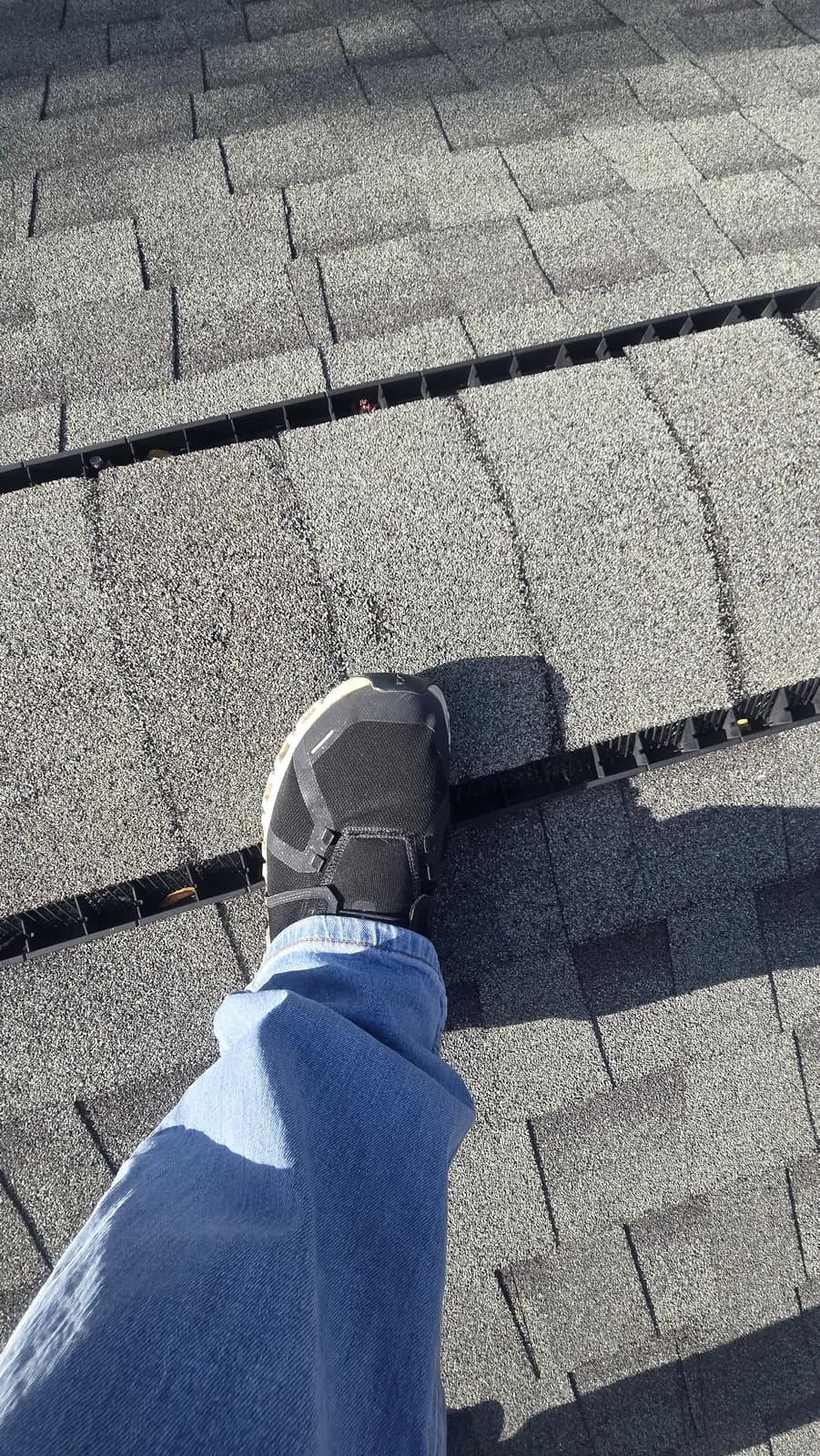
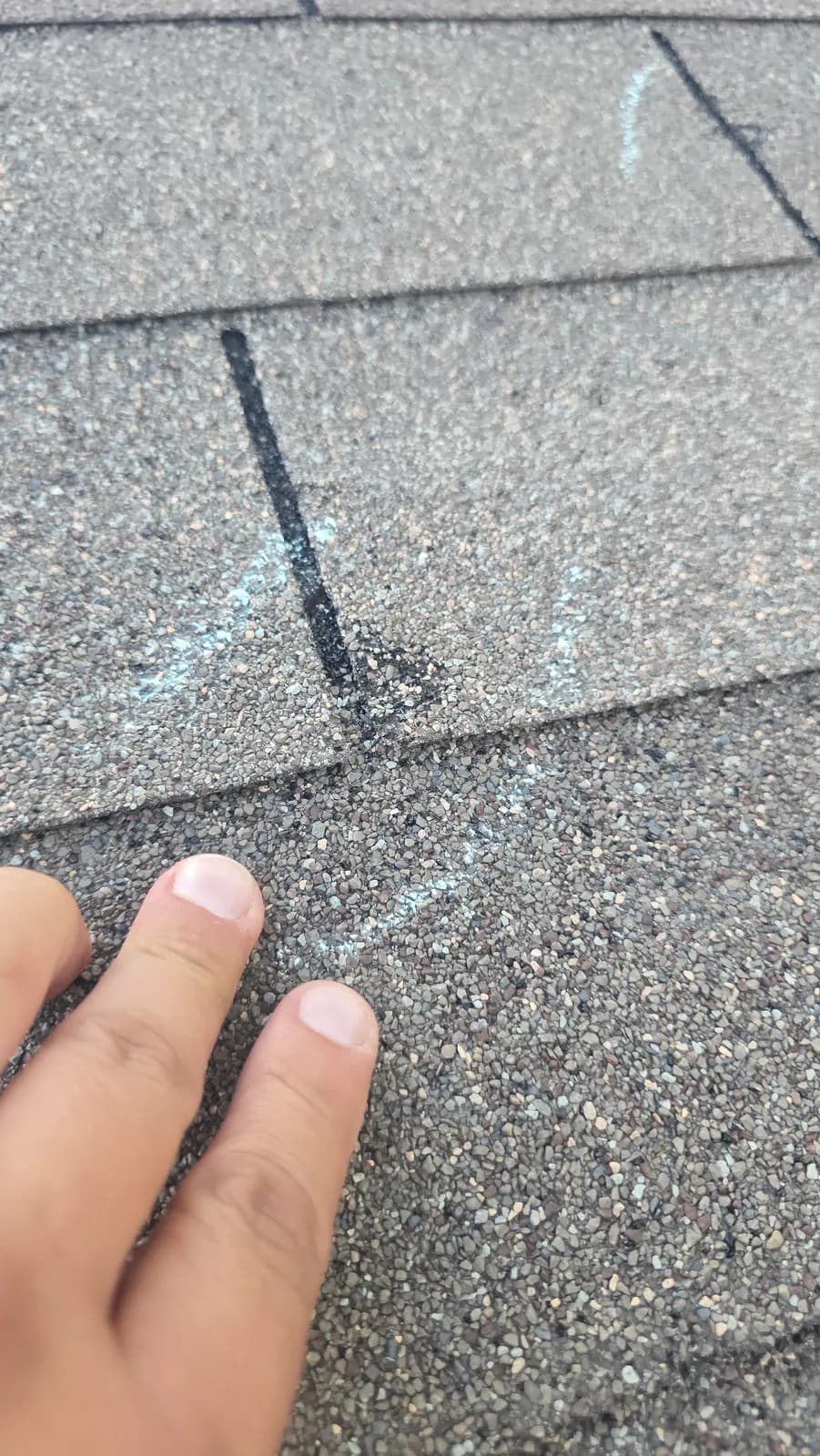
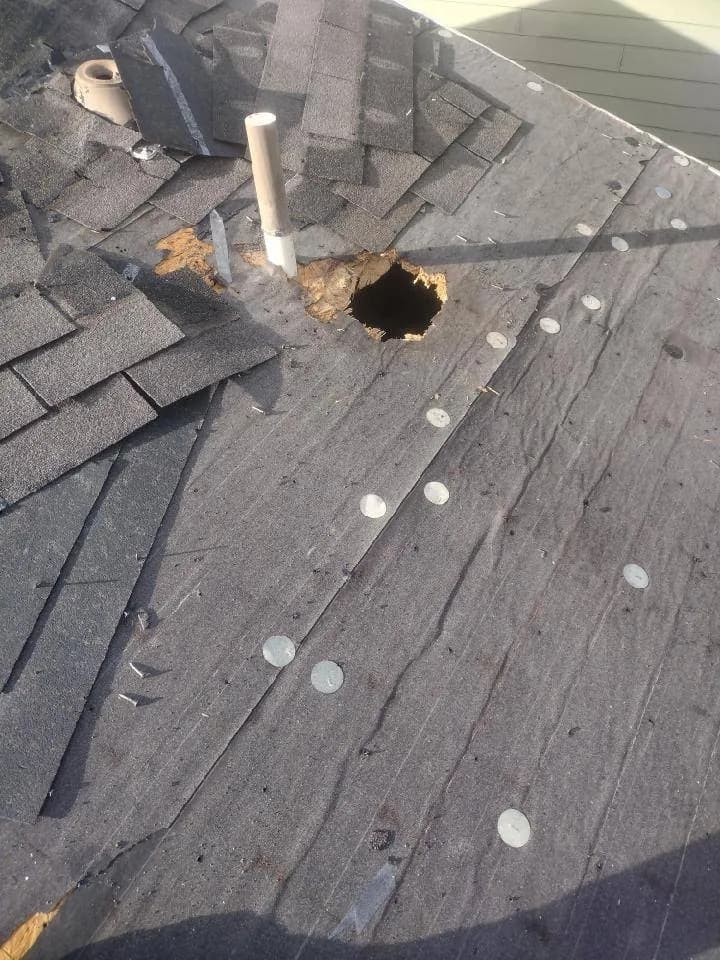
A free inspection tells you whether there's storm damage worth claiming, and a good roofer will say so plainly when there isn't. That keeps a claim that pays nothing off your history. When we inspect, the crew walks every slope, chalks and photographs each hail hit, and checks the decking from the attic. They also look at gutters, vents, siding, fences and sheds, since all of it can go on the same claim.
While you're at it, nail down the storm date. Carriers tie damage to a specific date of loss, and weather reports for your address back it up. Then dig out your policy and look for three things. What's your wind and hail deductible in dollars? Does the policy pay for the roof at replacement cost or actual cash value? How long do you have to report? Our posts on wind and hail deductibles in Texas and the deadline to file a hail claim walk through each one.
If the estimate clears your deductible comfortably, go ahead and file.
Filing the Claim and Meeting the Adjuster
You're the one who files, by phone, the app or your agent. Give them the date of loss, a short description like "hail damage to roof and gutters," and your contact info, and write down the claim number they give you. You don't need a contractor's estimate yet. Don't guess about cause or cost on that call, either.
From here the insurer is on a clock. The Prompt Payment of Claims Act generally gives the carrier 15 days to acknowledge your claim and start investigating. Then a field adjuster comes out. Sometimes it's a staff adjuster; after a big storm it's often an independent hired for that event. Plan on one to three weeks before that visit, and longer after a regional hailstorm.
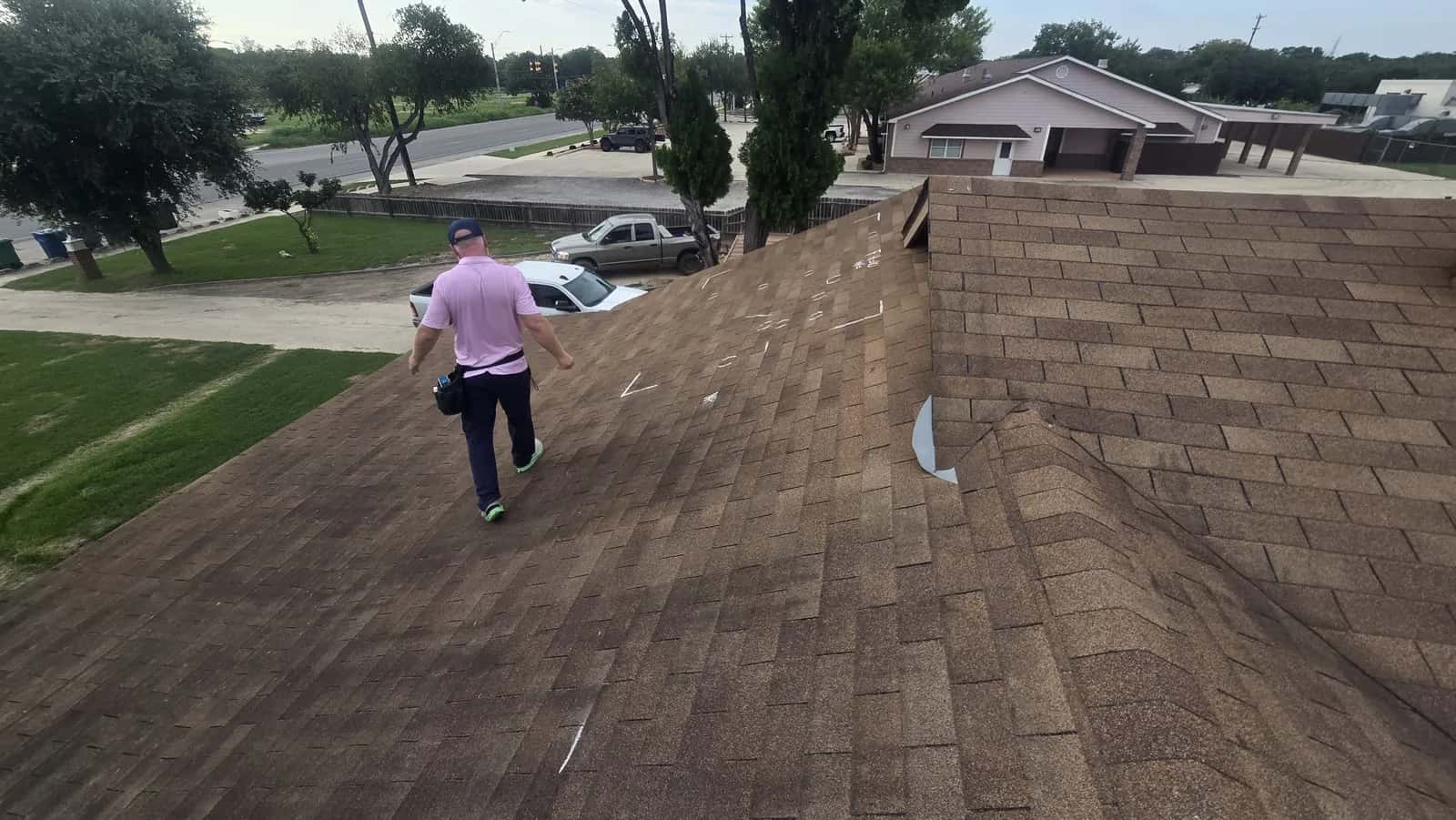
Be home for it. Have your roofer there too.
That adjuster might have a dozen roofs on the schedule that day. When you walk the slopes together and point to every documented hit, the scope you get back tends to match the real damage, not a quick guess made from the yard. Of all the steps, this one changes the outcome most often.
Reading the Scope and Writing the Supplement
After the visit, the carrier mails a written estimate, the scope, with its payment decision. Once it has the information it asked for, Texas law generally gives the insurer 15 business days to accept or reject the claim and five business days to pay after accepting. Go through the scope line by line, or sit down with someone who knows the estimating software.
On a Texas re-roof, the same lines go missing again and again: drip edge, starter strip, ridge cap, ice and water barrier in the valleys, pipe jacks and vents, decking replacement, a second layer of tear-off, and whatever your city's adopted building code requires. That's not automatically bad faith. Adjusters move fast and software defaults skip things. But each missing line is money your policy owes you, and the way you get it is a supplement, meaning a written request with photos, measurements and code citations asking the carrier to revise the scope. Our in-house staff includes former insurance adjusters who wrote these scopes from the carrier's side, so the audit and the supplement each get their own step in our roof insurance claim help. Expect a supplement to take one to four weeks, depending on the carrier.
An outright denial isn't the end of the road. Our guide on what to do when a roof claim is denied goes through your options in order.
The First Check, Your Mortgage Company and the Build
With a replacement cost policy, the first check is the actual cash value. Take the replacement cost, subtract depreciation for the roof's age, then subtract your deductible. Got a mortgage? Your lender's name is probably on the check too, and the lender has its own way of endorsing it and releasing the money. Call your servicer's loss draft department early. People don't expect this part, and it can add days or weeks if nobody plans for it.
When the scope's approved and the funds and your deductible are lined up, we put the build on the calendar. Our crews tear off to the deck, replace any bad decking, put down the new system with Owens Corning or GAF products, and clean up the property. A typical residential re-roof takes one to two days on site; the roof replacement page covers what goes into it. The deductible is yours to pay. Texas Insurance Code Chapter 707 bars contractors from waiving or absorbing it.
Final Inspection and Recoverable Depreciation
People skip this last step all the time. It's real money.
On a replacement cost policy the carrier holds the depreciation back until you prove the work's finished. We do a final walk-through with you and then send the carrier the completion certificate and final invoice. The recoverable depreciation usually gets released within a few weeks of that paperwork landing, though sometimes the lender wants its own final inspection before it lets go of the last funds. Policies often put a deadline on finishing the work and claiming depreciation, so don't sit on it. If nobody ever sends that invoice, the carrier keeps the money. We see that most when a contractor disappears after the build.
Keep your own claim file the whole way through. A folder or one email thread is plenty. Put in the claim number, the adjuster's name and phone, every version of the scope, the supplement and the carrier's answer, copies of each check, the lender's paperwork and the final invoice, and jot down the date of every call and what got said. When something stalls, that file shows exactly where and whose move it is. It's useful too if you ever need to take a concern to the Texas Department of Insurance.
From first inspection to final depreciation check, a clean roof insurance claim process in Texas can run six to twelve weeks. After a major storm, with adjusters stretched thin, figure on longer. Policies and carriers differ, so read yours and take this as general information, not legal advice.
Start the Process the Right Way
A roof claim pays off for the homeowner who prepares. Know your deductible and what kind of coverage you've got, pin down the storm date, and be there when the adjuster comes. After that, read the scope, supplement what's missing and close out the depreciation, because every step leans on the one before it. Our process page shows how our team runs it, and why a former insurance adjuster on your roofer's team matters gets deeper into the audit. If it's hail, see our hail damage insurance claims page.
Texas-RRR does free inspections Monday through Saturday, 7 a.m. to 6 p.m.. Call (210) 802-6906 or schedule yours online. We'll tell you honestly if you've got a claim.
Related services
Insurance Claims from Texas-RRR, with a free estimate before any work starts.

Written by
Owner, Texas-RRR (veteran owned) · 30 years of roofing experience · Team with 30+ years of insurance claim experience · In-house former insurance adjusters · Registered and insured