Will a Hail Claim Raise Your Insurance Rates in Texas?
By Charlie Carreon, Owner7 min read
The adjuster hasn't even been called yet, and the homeowner is already asking us: will my insurance go up if I file a hail claim? In Texas the answer comes in two pieces. State law protects weather claims more than most other claims, particularly on the question of your insurer dropping you. Premiums all over Texas have also been climbing hard for years, filers and non-filers alike, and one claim can still change your discounts or how a carrier looks at your file.
We'd reframe the question. Forget "will my insurance go up if I file a hail claim?" for a second and ask whether filing will cost you more than it pays you. Let's work through it.
Weather Claims Get Special Treatment Under Texas Law
When can an insurer refuse to renew a standard homeowners policy because of claims? Texas Insurance Code Section 551.107 answers that. As a general rule, a carrier can decline to renew if you've filed three or more claims in a three-year period. The statute then carves out several kinds of claims that don't count toward that total, and losses from natural causes like hail and windstorms are one of them. Claims the insurer never paid don't count either. And before a carrier can nonrenew you based on claims history, it has to send a written warning after the second countable claim, listing those claims.
Put simply, a hail claim on its own generally can't be the reason your Texas homeowners carrier drops you under that section. That's a real protection, and most people have never heard of it.
It has limits. A carrier can still nonrenew for other reasons the law allows, and none of this is a promise about your premium. Policies and company rules vary, so read your renewal paperwork and take specific questions to your agent. This is general information, not legal advice.
Why Your Premium May Rise Anyway
This next part drives people up the wall. Your premium has probably gone up even if you've never filed a thing.
Texas is a "file and use" state, so insurers can file a new rate and start charging it before the Texas Department of Insurance is done reviewing it. TDI data reported by Community Impact puts average Texas homeowners rate increases at about 21% in 2023 and about 18.7% in 2024. Carriers blame hail, wind and rising building costs. After a big storm in your area, those losses get spread over everybody in the rating territory at the next rate filing, whether they filed or not.
So a homeowner files, sees a bigger renewal the following year and blames the claim. Sometimes that's right. Often the entire ZIP code got the same bump. Have your agent walk you through the change line by line; a good one can tell you whether you were surcharged personally or the base rate moved for everyone.
Where a Hail Claim Can Still Cost You
Natural-cause claims still leave a trail. They go into CLUE, a shared industry database run by LexisNexis, and carriers check it when you shop for a new policy or buy a house. LexisNexis will give you your own CLUE report free once a year. Pull it before you shop rates.
Here's a detail most homeowners miss. Calling to report damage and open a claim number can create a CLUE entry even when the carrier ends up paying nothing because the damage came in under your deductible. Section 551.107 says an unpaid claim doesn't count toward the three-claim nonrenewal rule, but the entry can still sit in that database where the next company's underwriter will see it. That's one more reason to get a roofer's opinion before you call the claims line, not after. A general coverage conversation with your agent isn't the same thing as opening a claim, though companies treat those calls differently, so ask the agent up front how theirs logs a question compared to a claim.
Depending on your carrier's filed rating rules, a claim can hit you in a few practical ways:
- Claim-free discounts. Some policies reward years with no claims, and filing, even for weather, may reset that clock.
- Underwriting at a new company. Once a competing carrier sees recent claims in your CLUE history, it may quote you higher or turn you down.
- Roof-related changes at renewal. Some carriers inspect after a roof claim, or shift older roofs to actual cash value coverage. A new roof from the claim can work the other way and help your rate.
Look at that last one again. A replaced roof is a newer, safer risk, and a number of Texas carriers give a discount for a Class 4 impact-resistant roof. We get into that tradeoff in the best roofing material for Central Texas hail.
The Real Math: When Filing Makes Sense
Set the rate question aside and look at your deductible instead.
Most Texas homeowners policies have a separate wind and hail deductible, often 1% or 2% of dwelling coverage. With $350,000 in dwelling coverage, a 2% deductible comes to $7,000, and the carrier owes you nothing until the damage goes past that. Say wind peeled off a dozen shingles and the repair costs well under your deductible. Filing gets you a CLUE entry and nothing else, so pay for the fix and move on. Now say hail hit every slope and the roof has to be replaced. That claim might be worth several times the deductible, and whatever it does to your premium long term looks small next to the check. To find your own number, see our explainer on wind and hail deductibles in Texas.
The worst result sits in the middle: a borderline claim, filed with no inspection, paid at little or nothing, and now on your record. We work hardest to keep people out of that one. An inspection before you file takes care of most of it, because a roofer who works storm claims every season can tell you if the damage clears your deductible and whether a carrier will probably see it the same way.
How We Help You Decide
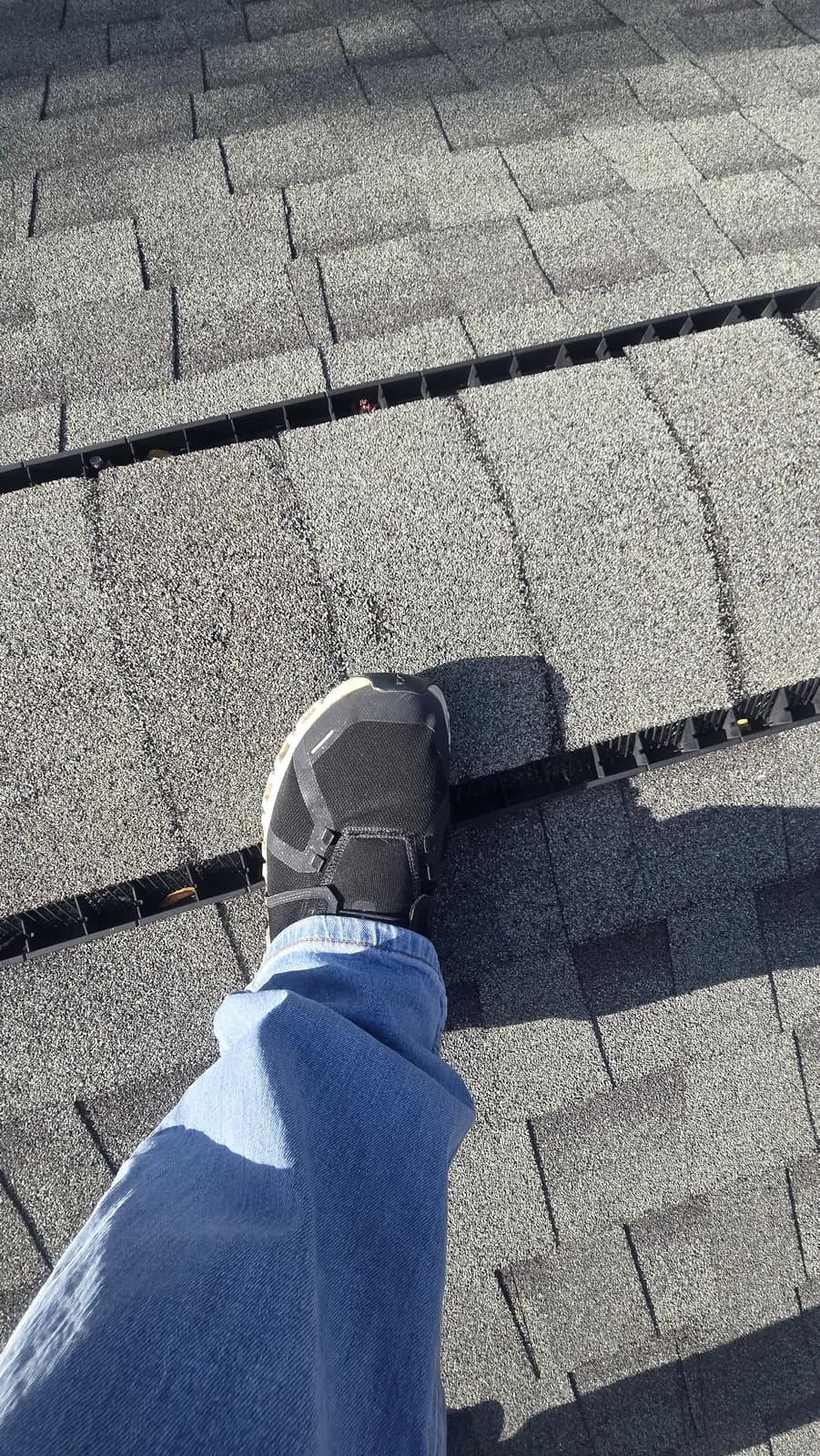
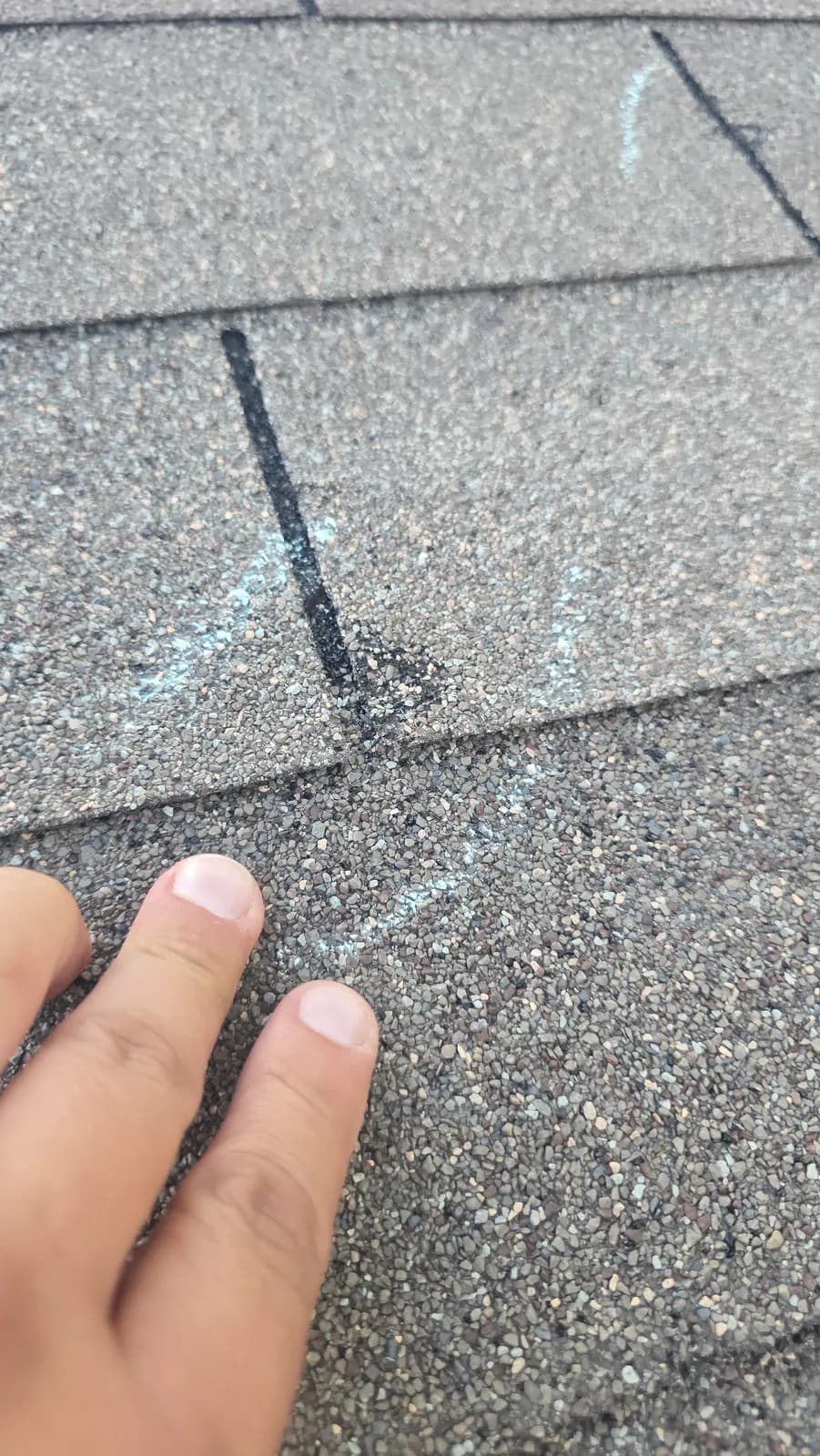
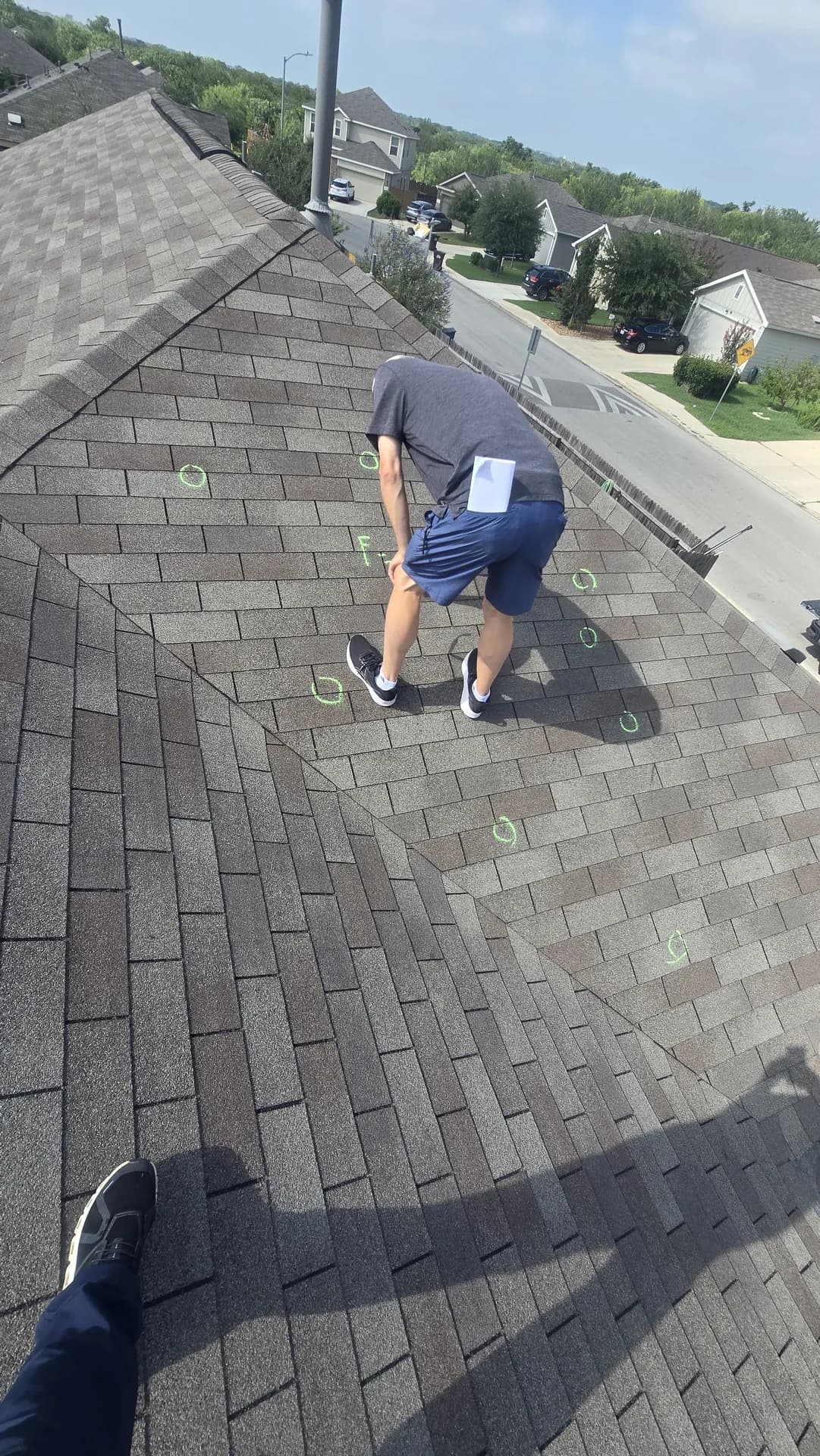
Former insurance adjusters are part of our in-house staff at Texas-RRR. They've written scope sheets from the carrier's side of the table, so they know what an adjuster will count as hail damage and what gets tossed. On a free inspection, we photograph the roof, gutters, vents, siding and fences, estimate the repair and hold it up against your deductible. Numbers don't support a claim? We'll tell you plainly and quote the repair instead. If they do, we'll walk you through help with your insurance claim, from the adjuster meeting through the supplement and final paperwork.
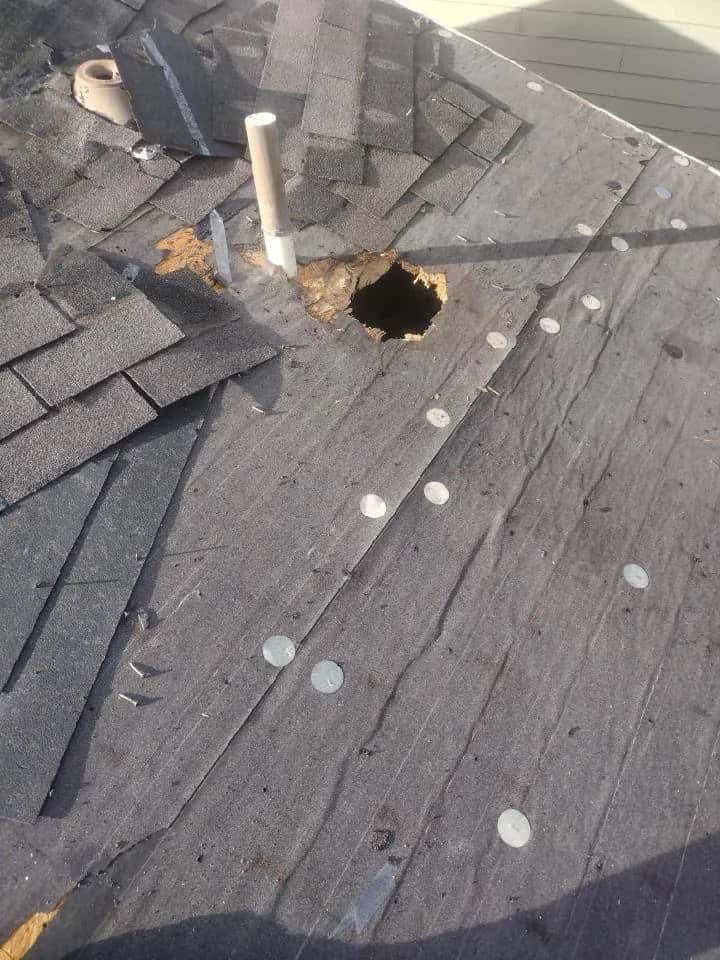
Don't sit on it, either. Waiting weakens a claim even inside your policy's window, and how long you have to file a hail claim in Texas explains why. For how the audit works, read why a former adjuster on your roofer's team matters. Photos of the damage we look for are on the hail damage roof repair page.
Bottom Line on Hail Claims and Your Rates
Will my insurance go up if I file a hail claim? In Texas, a hail claim by itself generally doesn't count toward the three-claim nonrenewal rule. Statewide premium increases come mostly from storm losses across the market, not your one claim. You could still lose a discount, or see the claim come up when you shop for coverage.
Protecting yourself is pretty simple: file the claims worth filing, skip the ones under your deductible, and figure out which is which before you dial your carrier.
Want a straight answer about your roof? Call (210) 802-6906, Monday through Saturday from 7 a.m. to 6 p.m., or book a free inspection, and we'll tell you if a claim makes sense.
Related services
Insurance Claims from Texas-RRR, with a free estimate before any work starts.

Written by
Owner, Texas-RRR (veteran owned) · 30 years of roofing experience · Team with 30+ years of insurance claim experience · In-house former insurance adjusters · Registered and insured