

Fast growth on two different soils
Hays County grew 56.4 percent between 2015 and 2025, according to Census Bureau population estimates, and it added about 10,100 more residents from 2024 to 2025 alone. That kind of growth leaves a lot of ten-year-old builder roofs facing their first serious hail season. It also puts those roofs on two different soils, and any roofing contractor in Hays County who ignores the ground is guessing.
Along and east of I-35, through Kyle, Buda and San Marcos, the ground is Blackland clay. The NRCS describes the Blackland ecological site of the eastern Edwards Plateau, citing the Comal and Hays soil survey, as clay with very high shrink-swell potential laid over hard limestone. West of the interstate the Hill Country takes over, and homes in Dripping Springs and Wimberley sit on thin soil and rock.
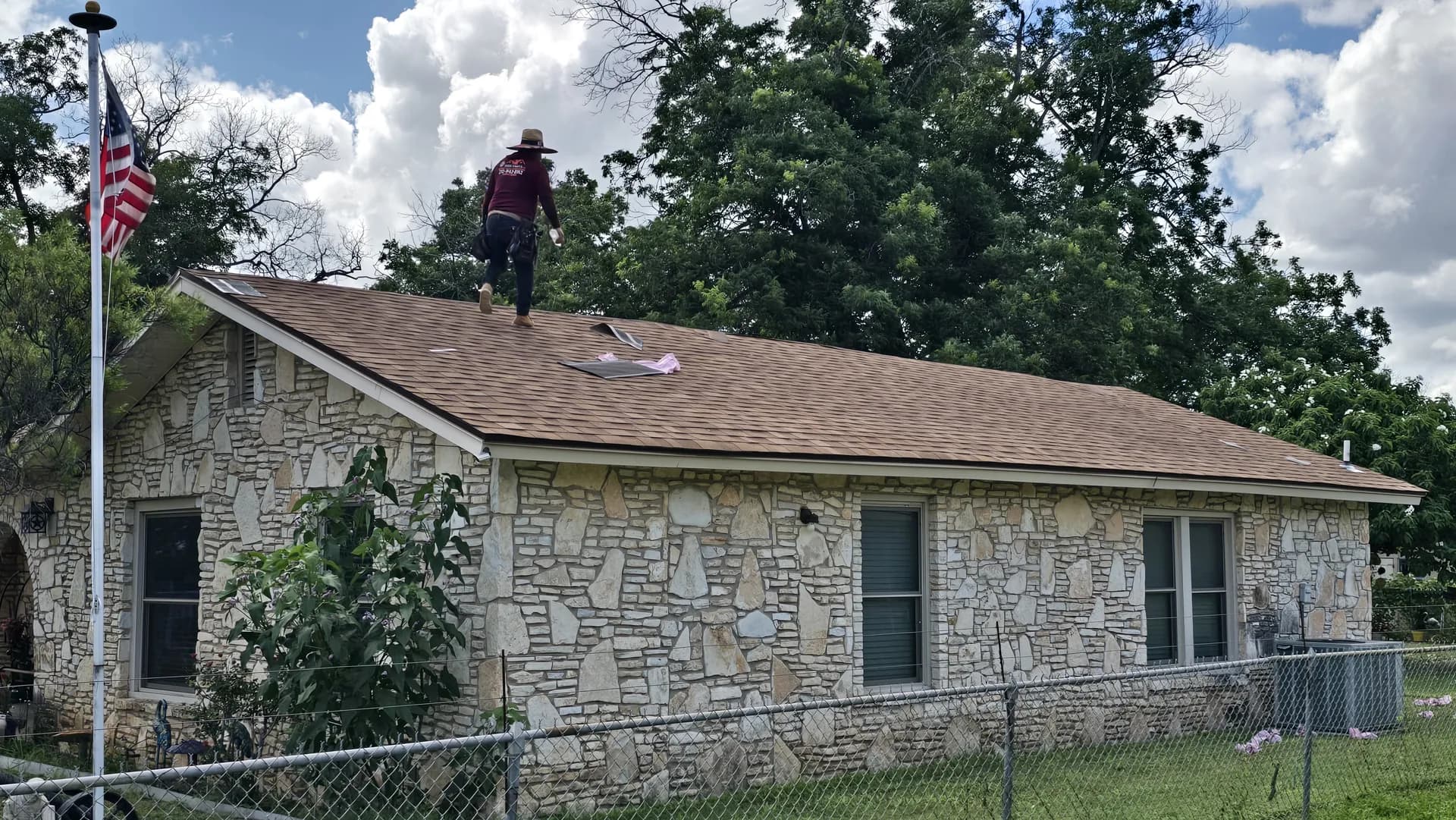
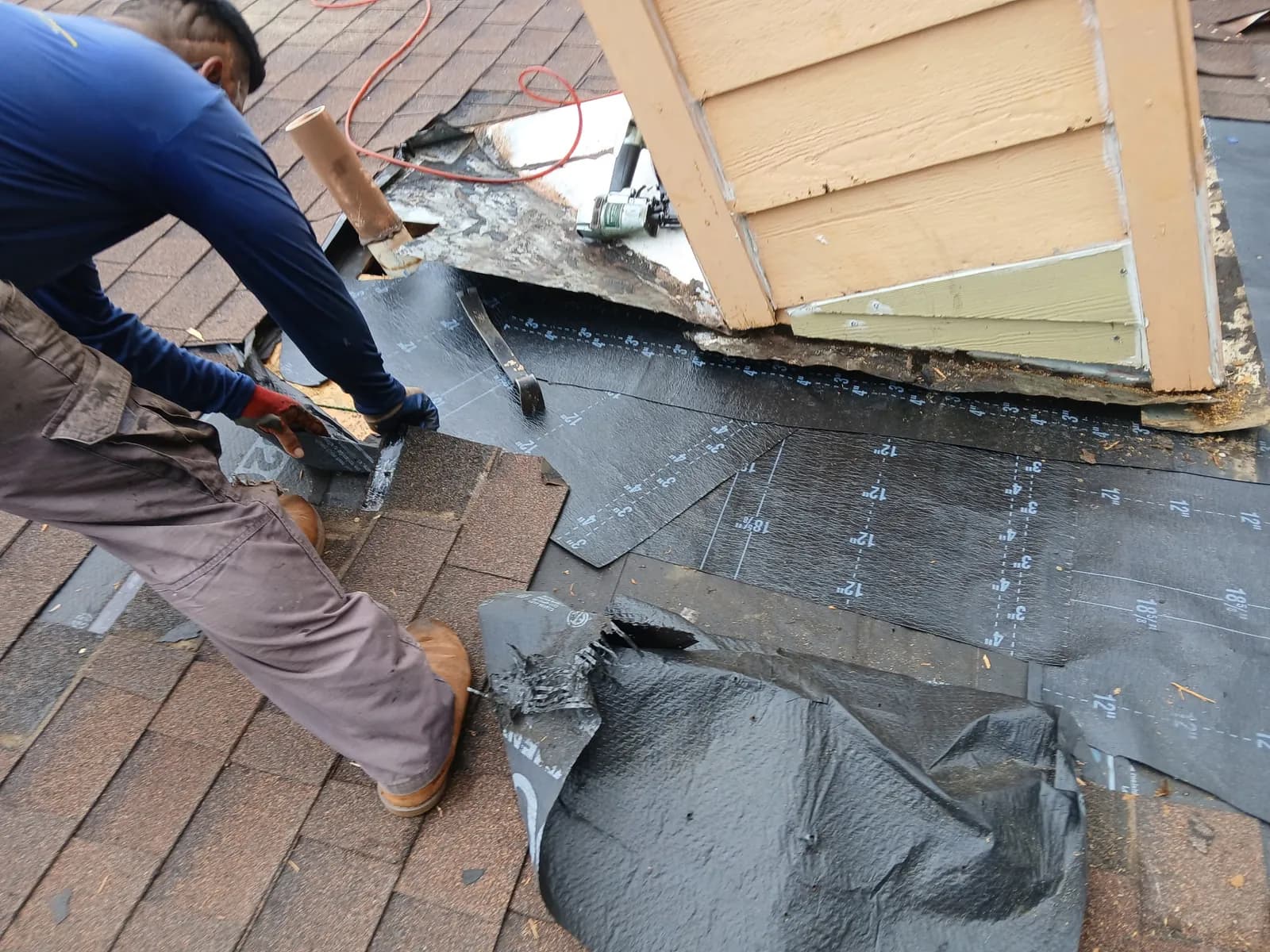
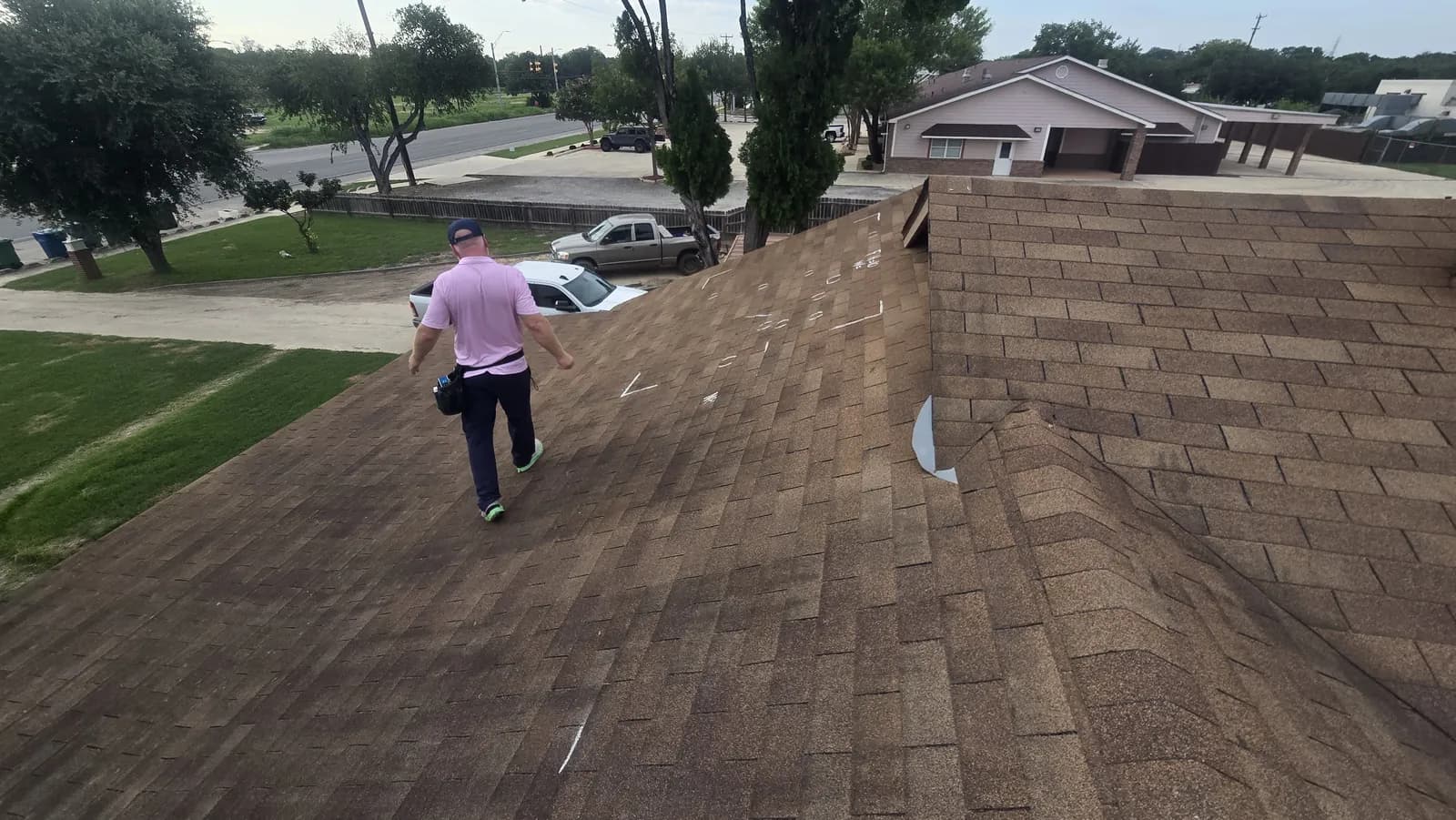
Clay matters to a roofer more than you'd think. A house that heaves on it twists its roof deck, and you see that up top as cracked ridges and popped flashing. When the movement starts at the foundation, a foundation specialist should address the cause before we put a new roof on top of it. We point out the signs we see from the roof and the attic, so you know which call to make first.