

Where Roof Rot Starts on a San Antonio House
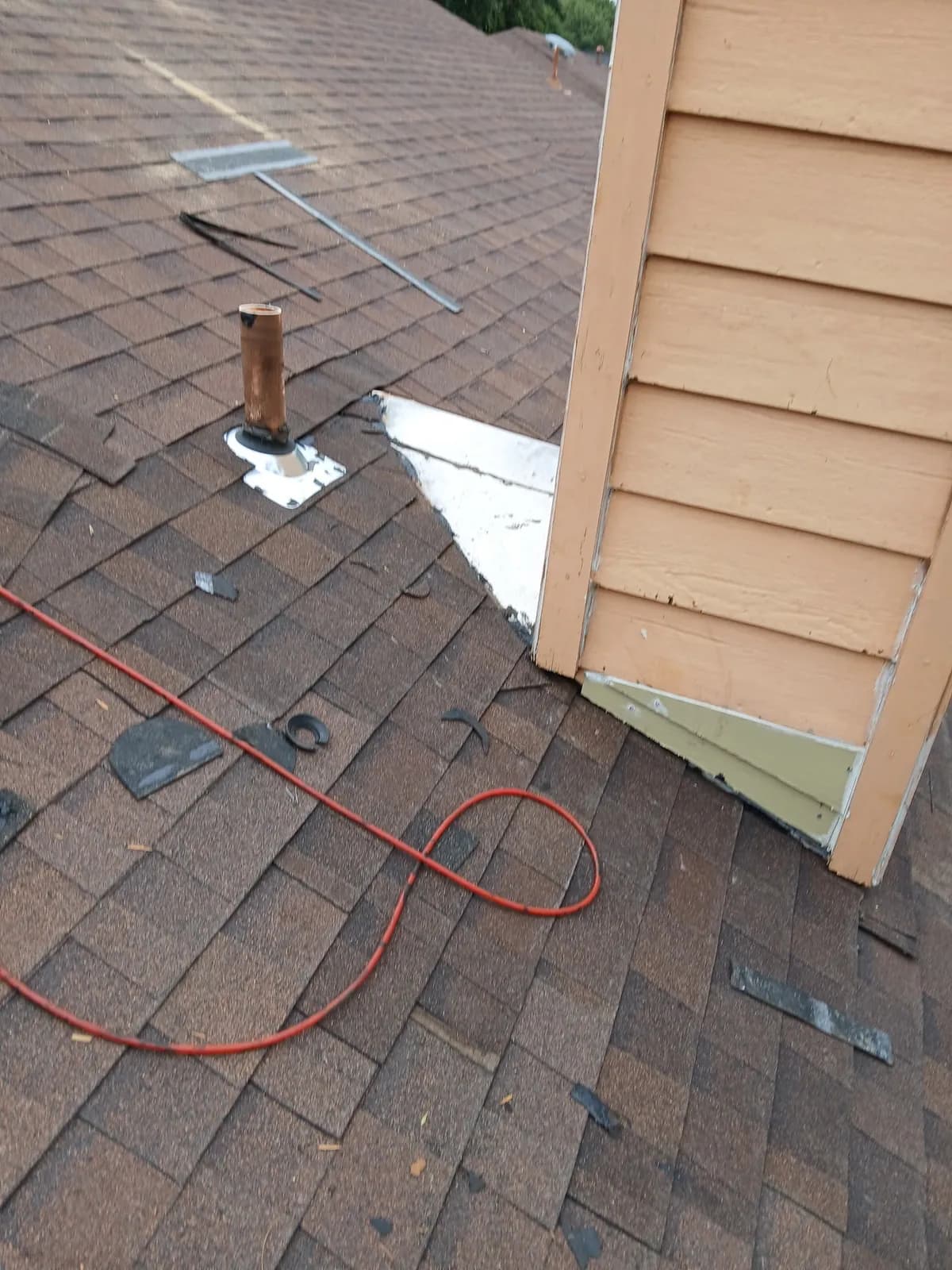
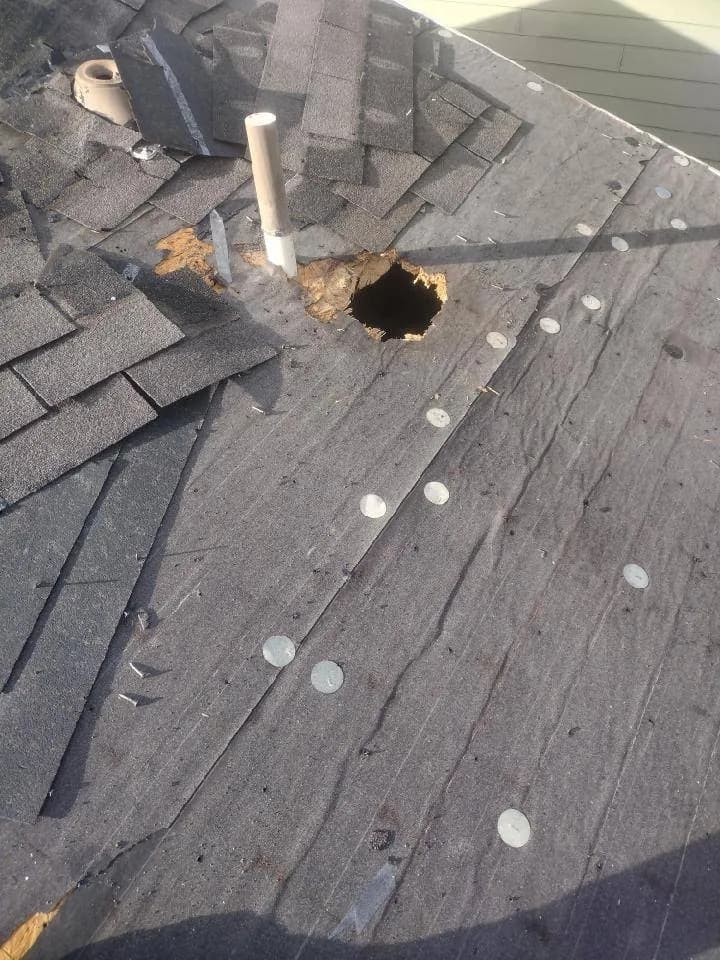
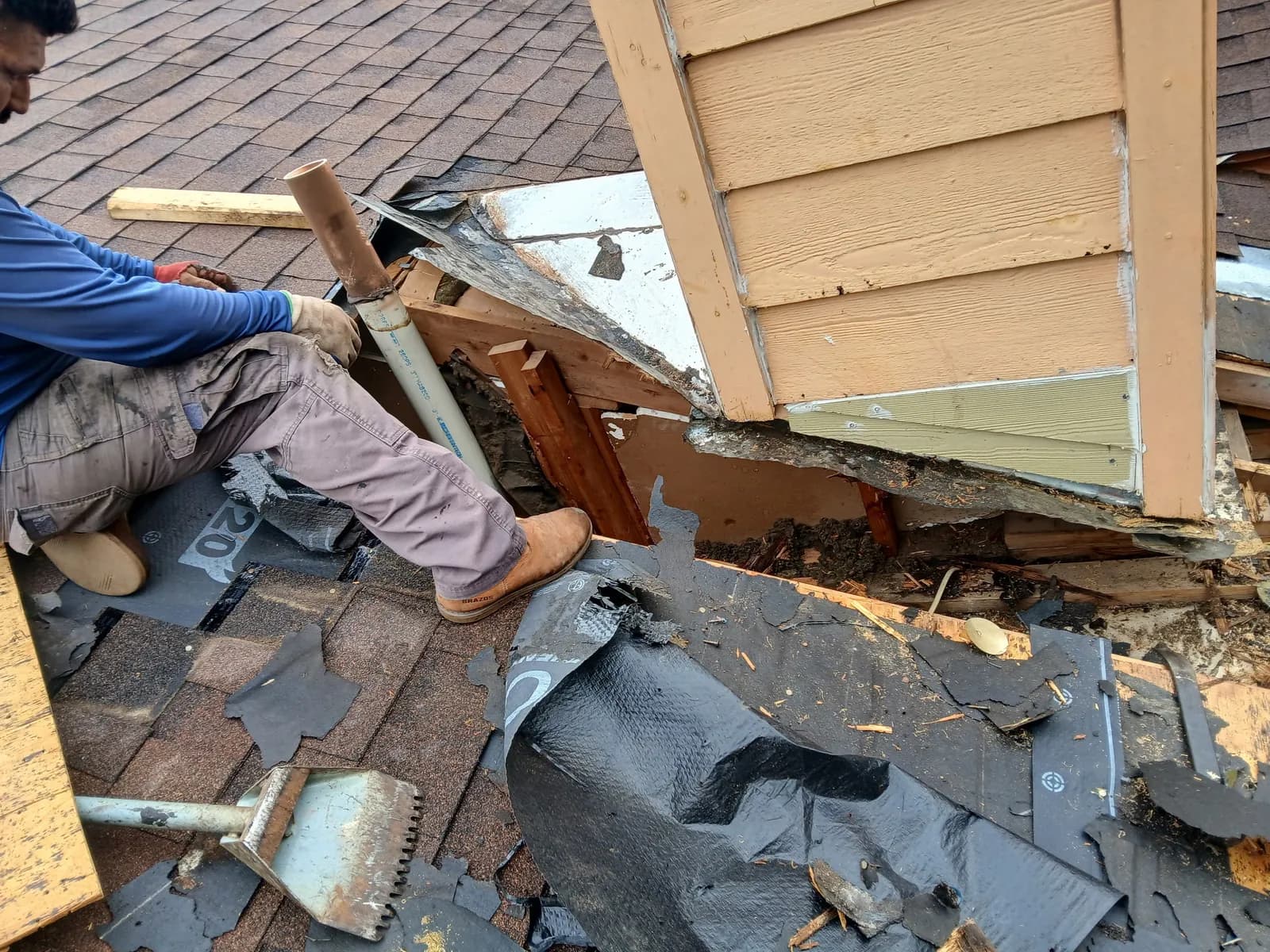
Look at the eave first. Roof rot repair nearly always starts at the edge, because water runs downhill, and on most houses it collects where the fascia, the sub-fascia behind it, the soffit underneath and the rafter tips all come together. Once water slips behind the gutter or under that last row of shingles, the wood stays damp for days after each rain. A few summers of heat and humidity later, it's soft. Then spongy. Then it crumbles in your hand.
We find the same five trouble spots on houses of every age around San Antonio. Eaves without drip edge are the big one, since older roofs often went without. Then gutters stuffed with live oak leaves, which spill behind the gutter and not into it. Rake boards on gable ends take wind-driven rain sideways. Porch roofs that tie into the house at a low angle hold water at the joint. And valleys dump two slopes' worth of runoff onto one short piece of fascia.
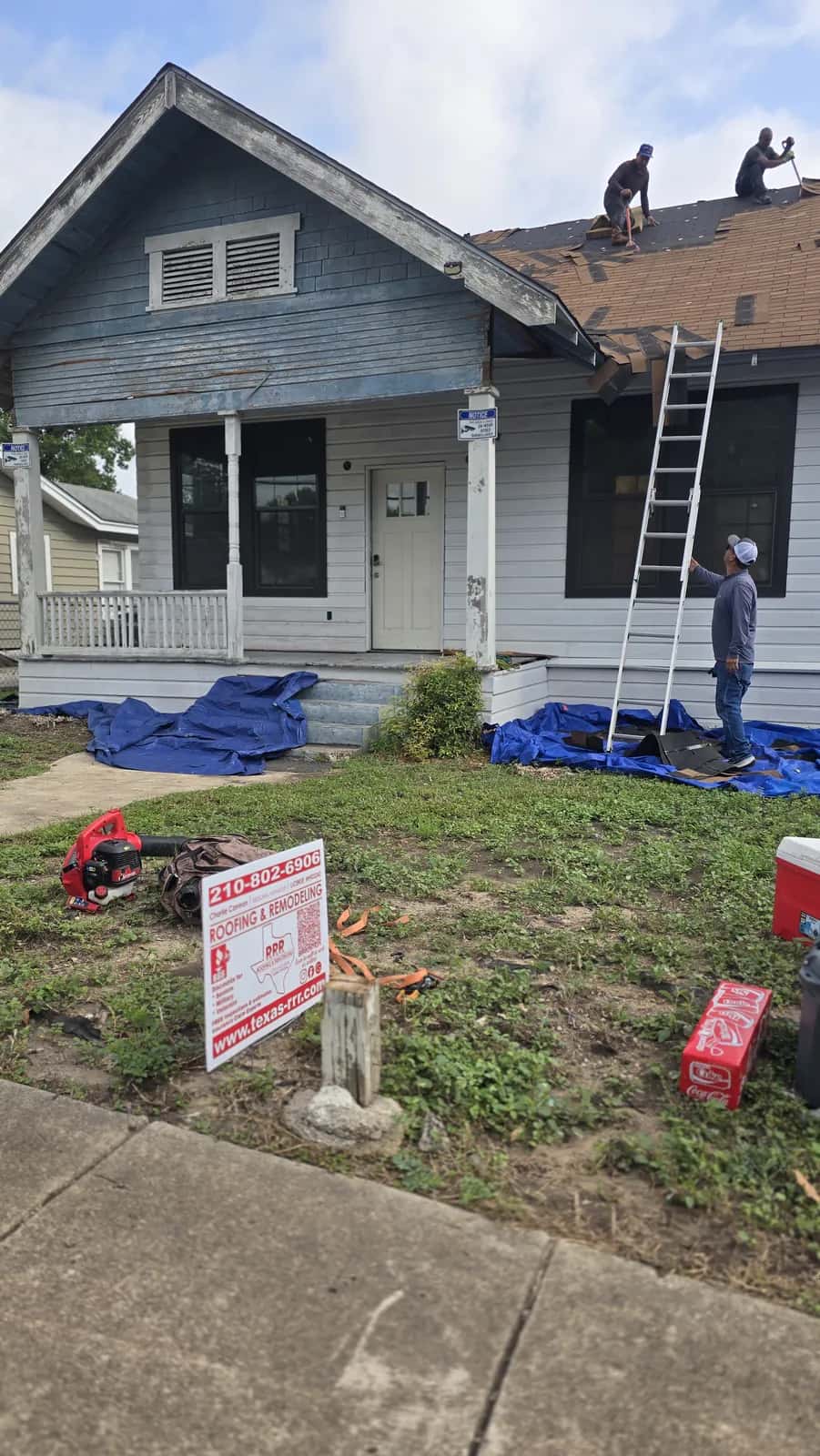
Bungalows and ranch houses from the South Side to Alamo Heights also carry decades of paint on their trim, which can hide rot right up until a board gives.