

Where San Antonio roof leaks actually start
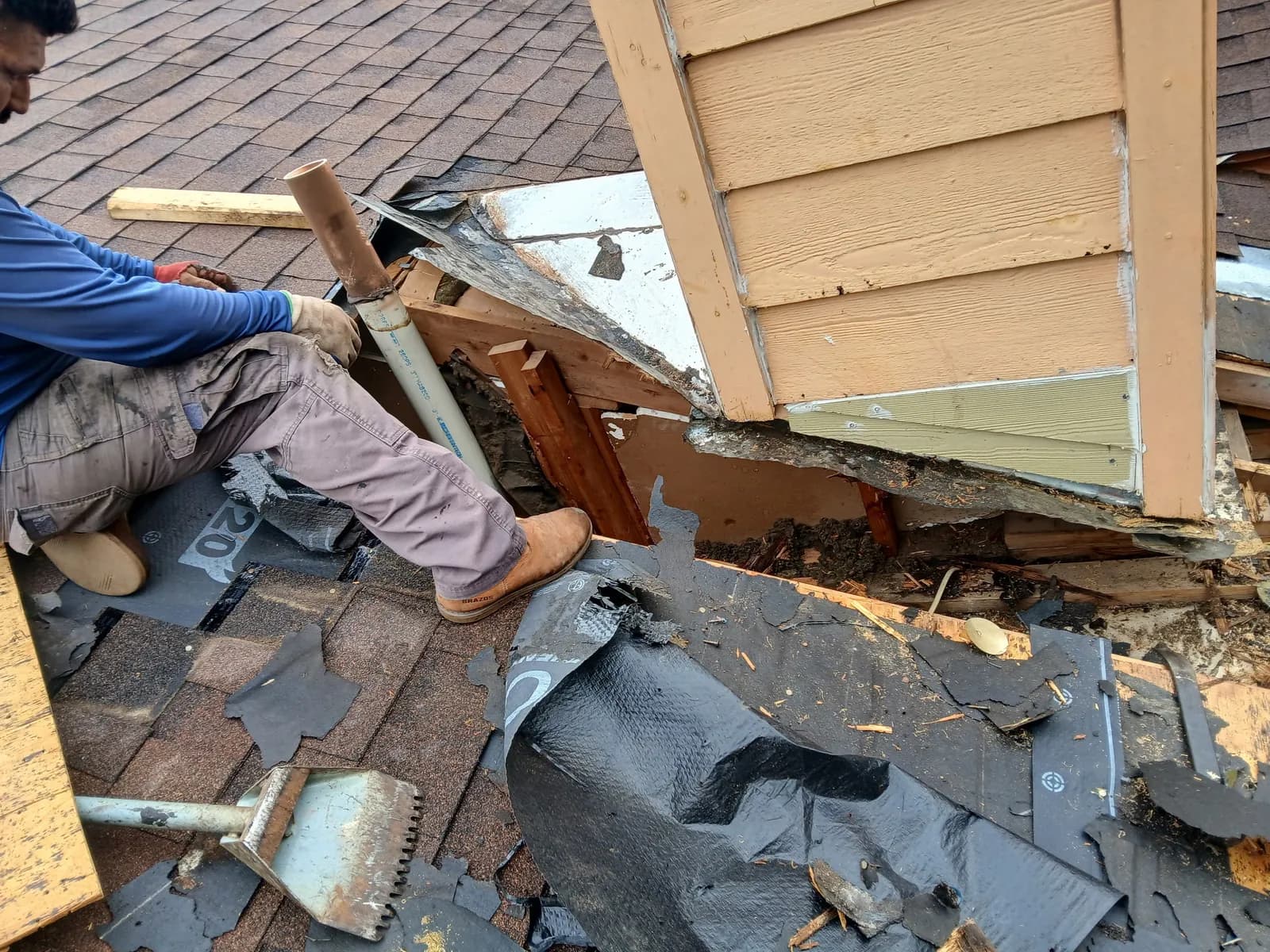
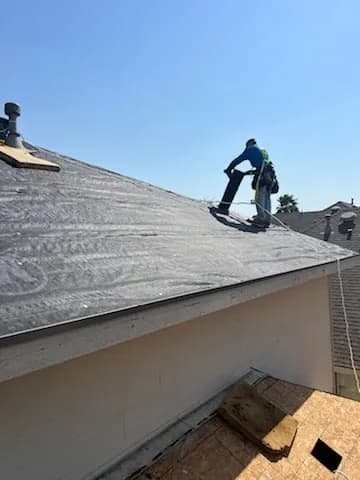
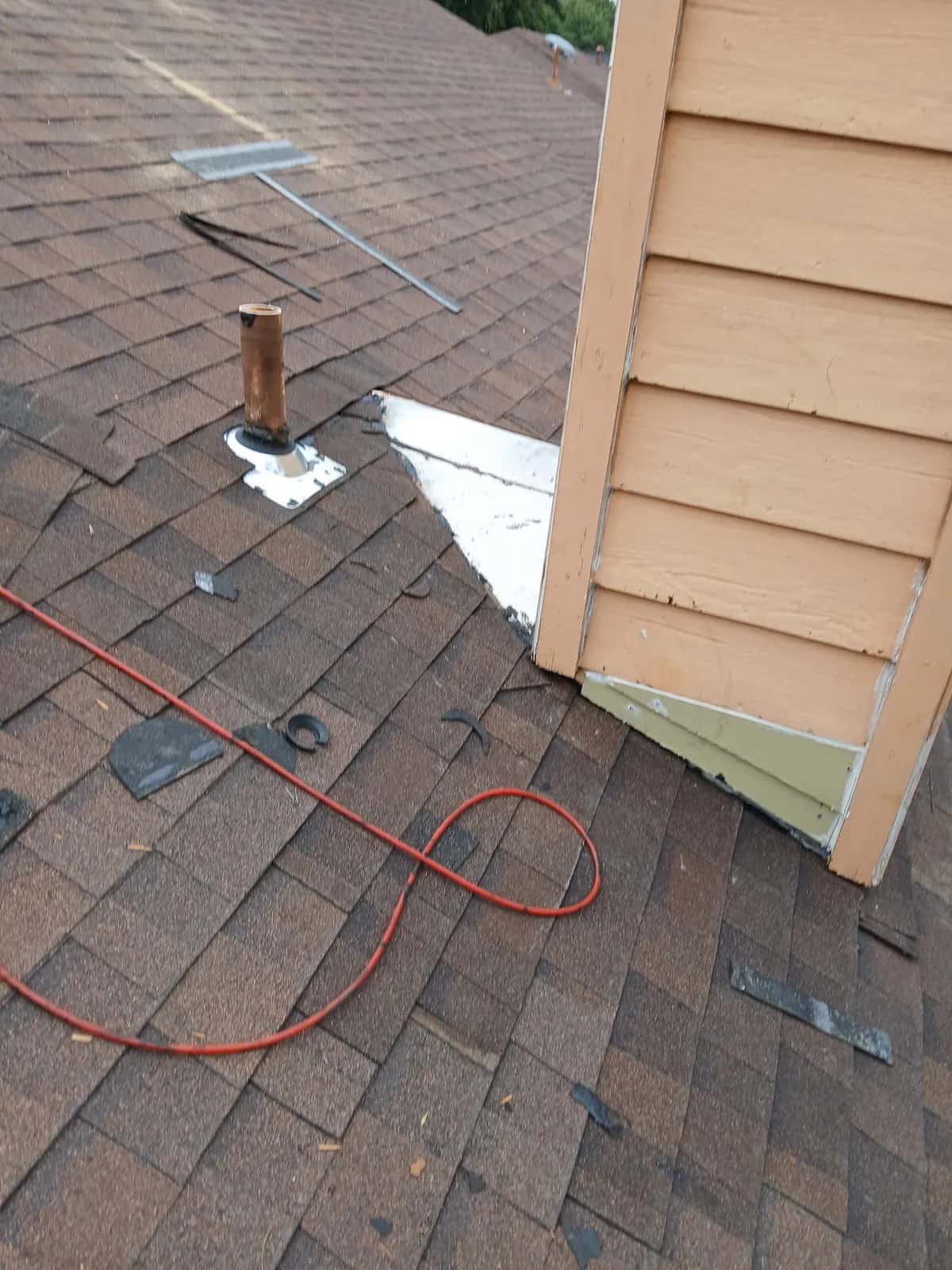
On a 15-year-old roof in San Antonio, the shingles are usually fine. The metal is the problem. Where the roof meets a chimney, a sidewall or a valley, sealant dries out over our summers, step flashing pulls away from the brick, and the first hard rain finds the gap. So when we show up for a roof leak repair, flashing is the first thing we suspect.
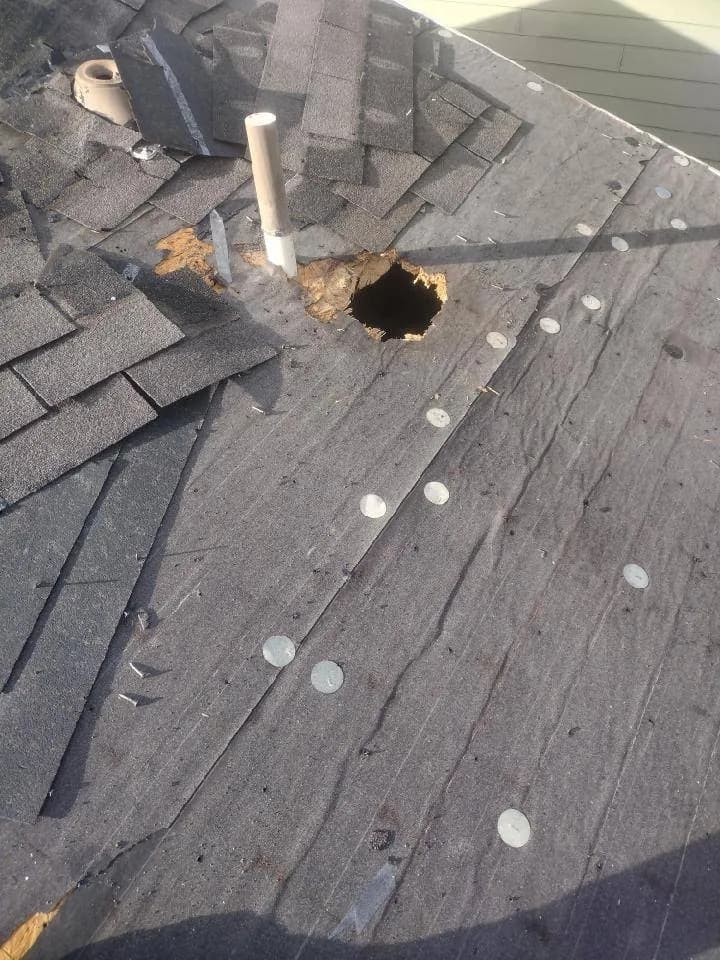
Pipe boots come next. Those rubber collars around the plumbing vents crack after eight to ten years of Texas sun, and water rides straight down the pipe into the attic. You notice a stain near the bathroom and figure the shingles went. They didn't. Flashing and boots together account for roughly two out of every three leak calls we run in Bexar County.
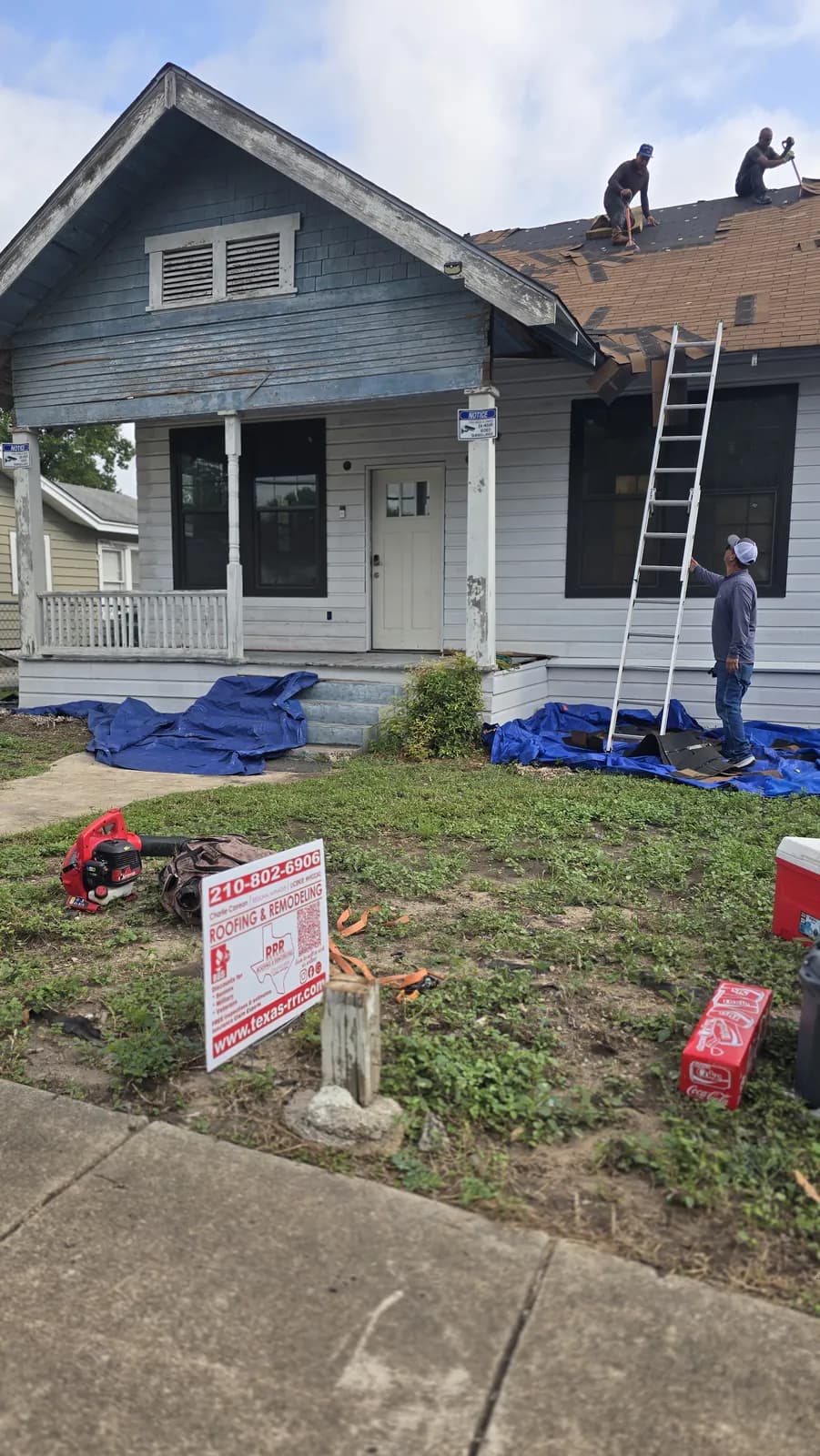
Old houses have it worse. Pre-1980 homes on the South Side, in Monte Vista and around King William are carrying decades of patches on patches, brittle flashing and layers of old roofing, and they leak all year, storm or no storm. A lot of them are also in historic districts, where the Office of Historic Preservation reviews visible roofing changes. One more reason a clean repair beats a messy re-roof. It's also why we treat roof flashing repair as its own trade, and why a leak call often grows into a small decking replacement once we find soft plywood under it.
Some other things we run into every week:
- Nail pops lifting a shingle tab so wind-driven rain gets under it
- Hail bruises that finally cracked through a season or two later
- Valleys and gutters so clogged the water backs up under the shingle edge
- Skylight curbs, and satellite-dish lag bolts nobody ever sealed
- Ridge and turbine vents put in without proper flashing