
What Commercial Roof Replacement Involves
You've patched the same seams three summers running. The insulation squishes when you walk on it, or one hailstorm chewed up the whole field in an afternoon. That's usually when an owner starts looking at commercial roof replacement, and honestly, it's the right time. A fourth repair visit won't fix it. The old roof gets removed or covered, and a new system goes on: insulation, cover board, membrane or panels, plus new flashing at every curb, wall and drain.
A typical commercial roof replacement in San Antonio with Texas-RRR goes in this order.
- Roof walk and core cuts. We map the ponding and the soft spots, then cut a few small test cores to count the layers and see if the insulation's wet.
- Deck inspection. Where we can get underneath, we look at the deck from below. Rusted metal deck, rotted plywood or spalled concrete shows up as a priced repair line instead of a surprise halfway through.
- Tear-off or recover decision. More on this below. Nothing else swings the budget as much.
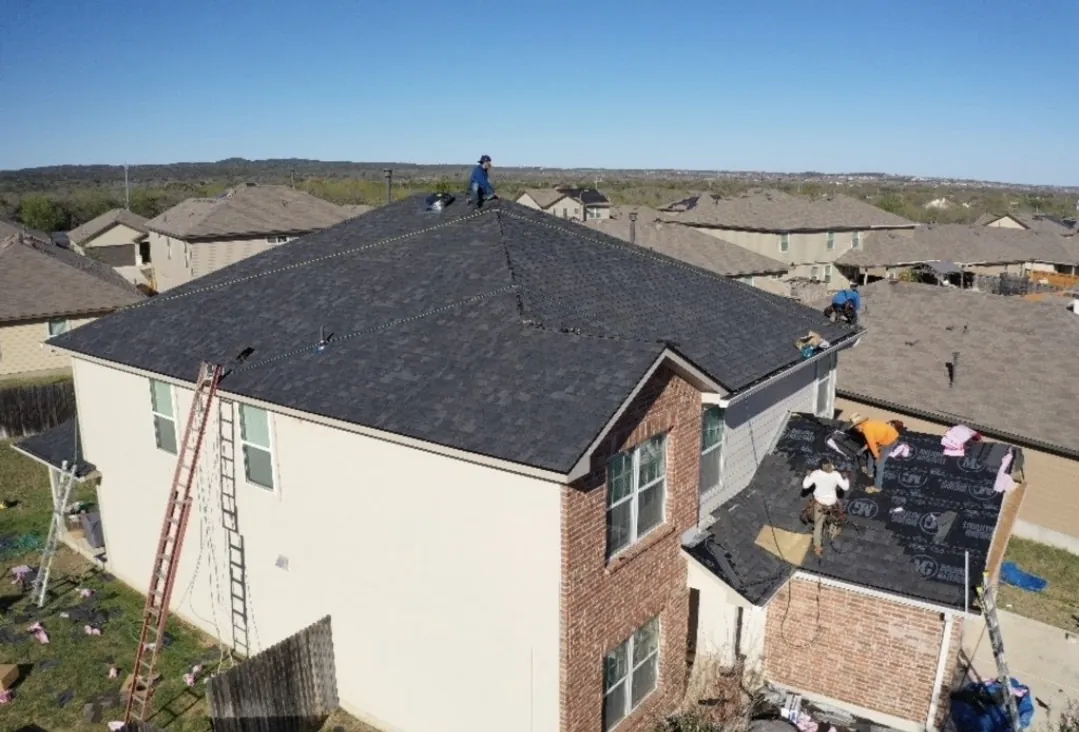
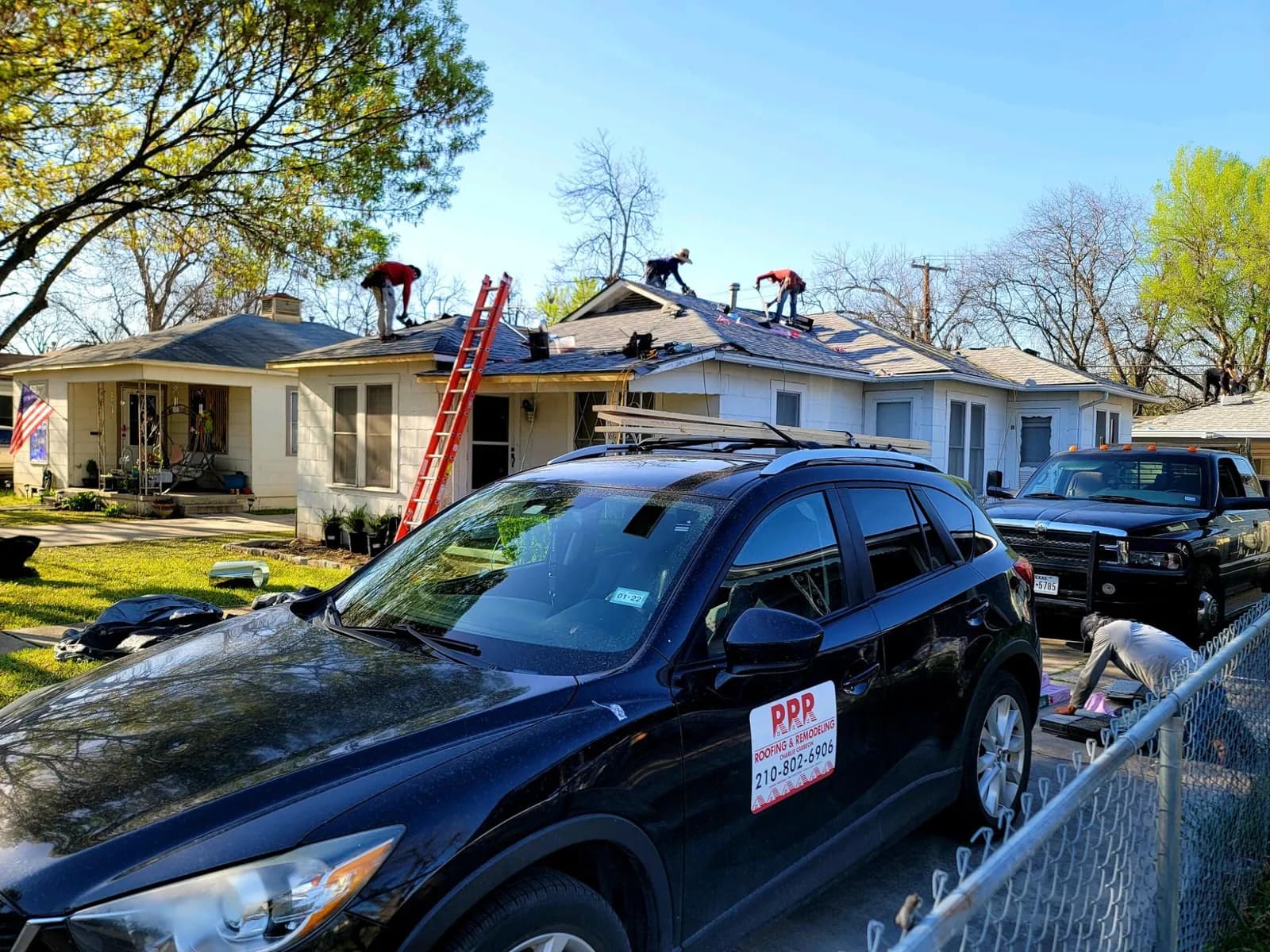
- Phased tear-off and dry-in. Crews only pull off what they can replace that same day, so nothing's left open overnight.
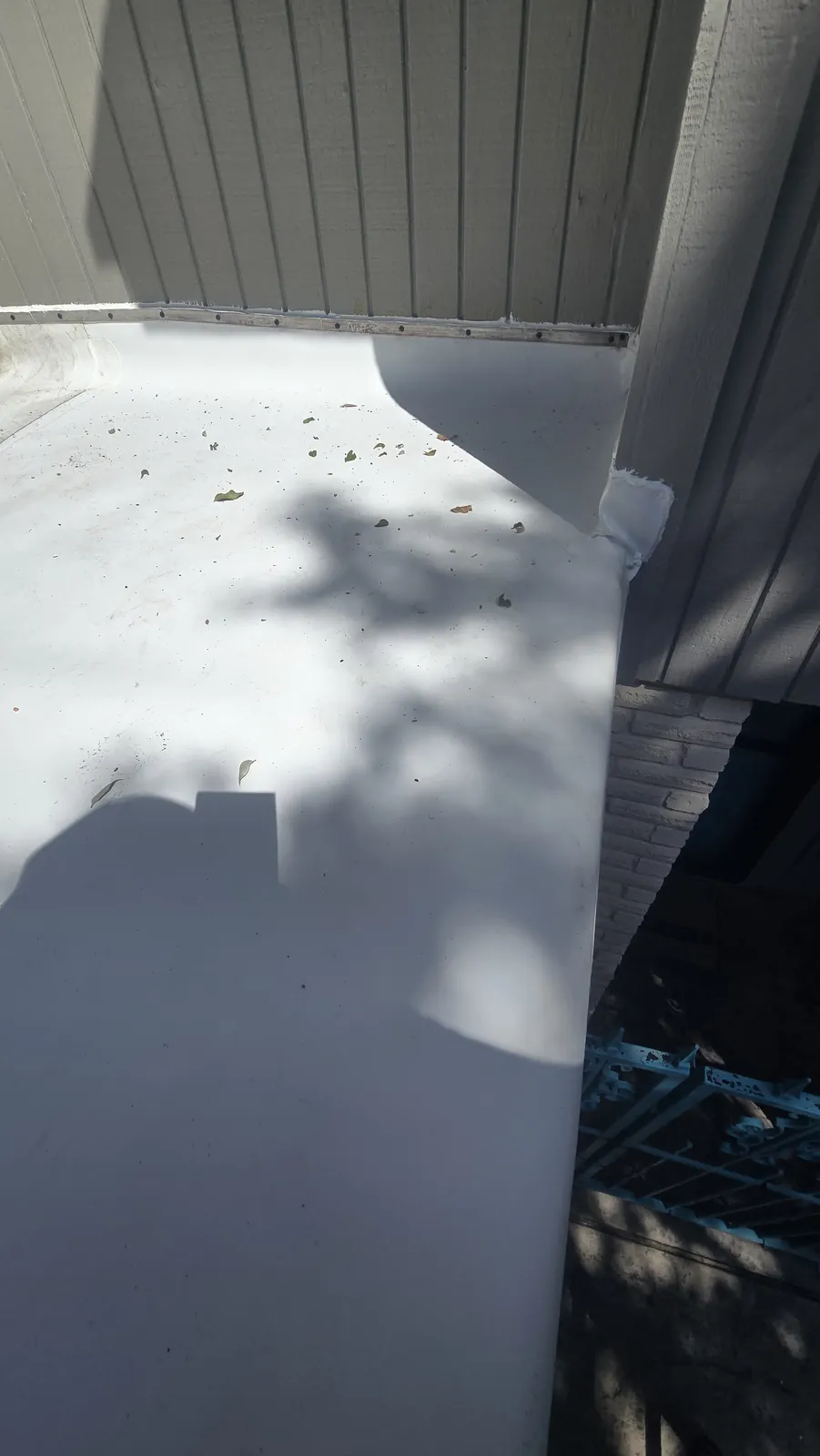
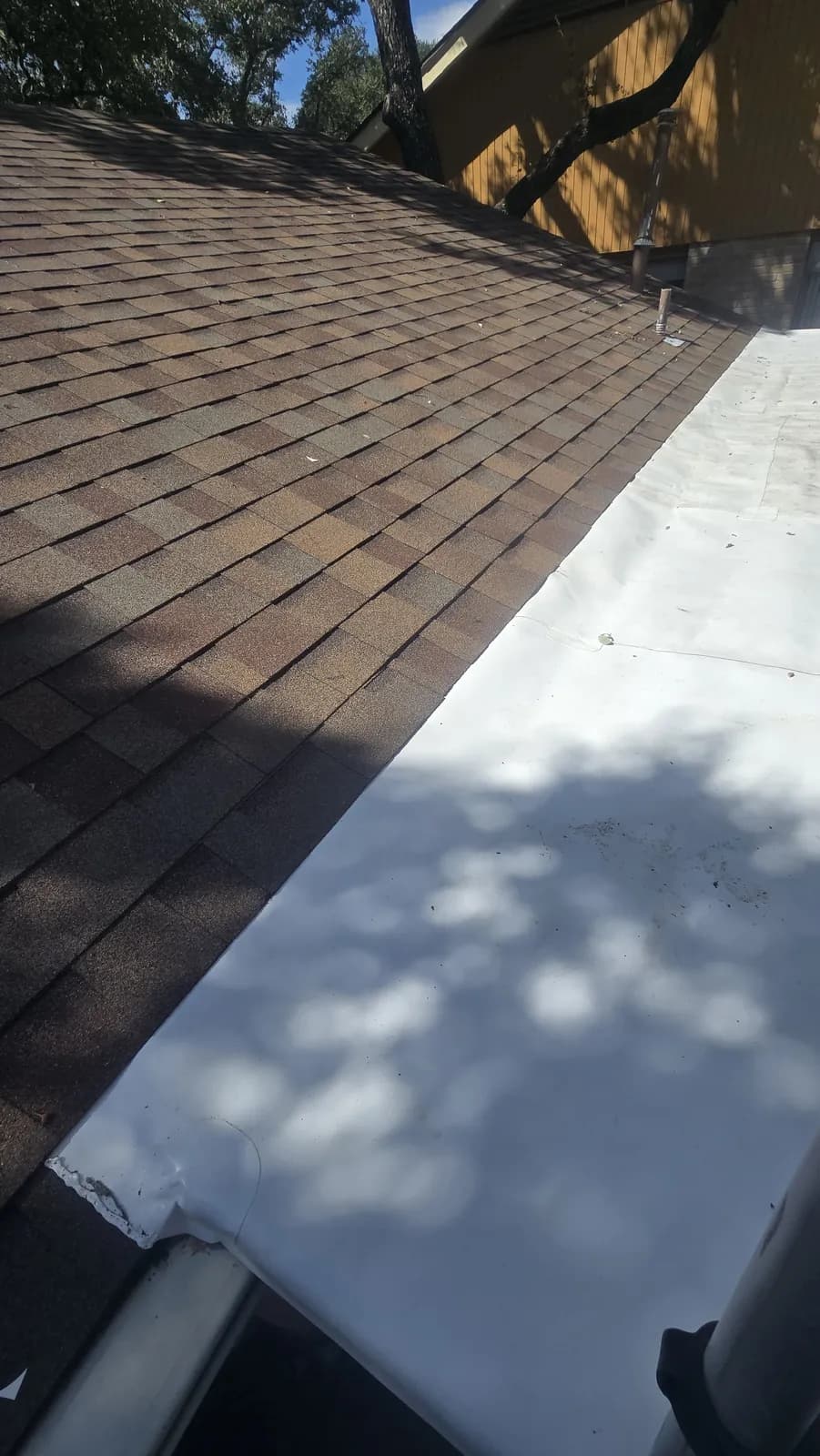
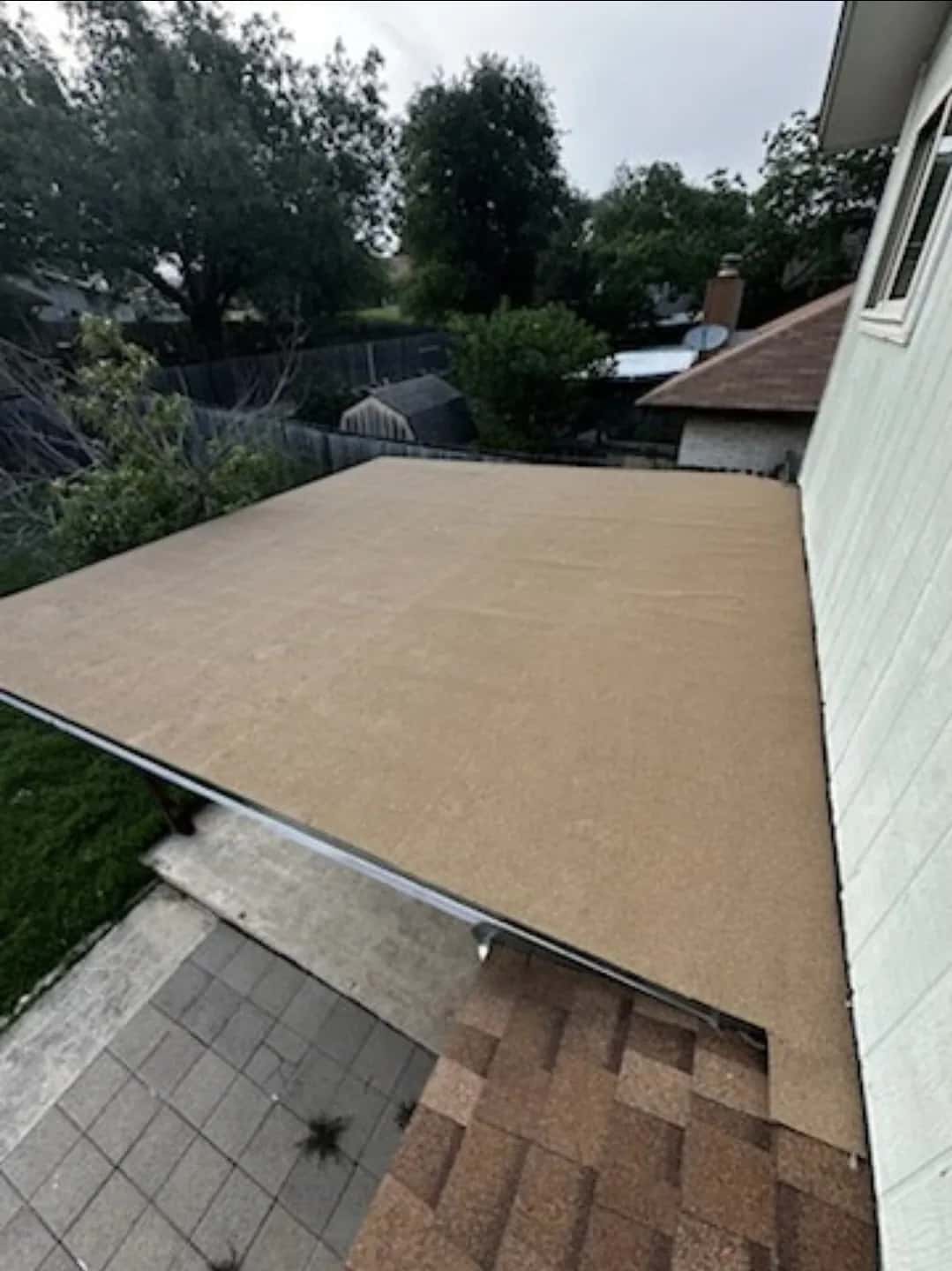
- New system. Low-slope roofs get polyiso insulation, cover board and a TPO or modified bitumen membrane. Pitched roofs get underlayment and architectural shingles or metal panels.
- Flashing, probing and cleanup. New flashing at HVAC curbs, pipes, scuppers and parapets. We probe each seam, sweep the lot for loose fasteners and hand you the paperwork.
On a flat roof the weather sets the schedule more than the square footage. A warehouse can fly by in a dry week. In a wet one it stalls for days.