How Long Do You Have to File a Hail Claim in Texas?
By Charlie Carreon, Owner6 min read
A lot of homeowners figure the roof's fine because it isn't leaking, and then a few springs go by. So, how long do you have to file a hail claim in Texas? Usually the answer is in your own policy, and it's commonly one year from the storm date, sometimes two. There's no single statewide filing deadline for private homeowners policies. What Texas law does set are rules for how insurers respond after you file, rules for the coastal windstorm pool, and rules for what happens if you ever have to sue.
People lose claims in the space between "the law" and "your policy." Hold off waiting for a leak that never shows and the carrier's window may already be shut. Below we'll go clock by clock: which ones you control, and what to do if yours is close to running out.
The Deadline That Matters Most Is in Your Policy
Grab your homeowners policy and find two sections. They're usually called something like "Duties After Loss" and "Suit Against Us." The first one says how fast you have to report damage.
Older forms just say "prompt notice," no number attached. Newer Texas forms, and more and more policies written since the big hail years of the last decade, put a hard limit on it, most often one year after the date of loss for wind and hail. A few allow two. Some carriers have cut the window on roof claims in particular, so don't assume the policy you bought eight years ago reads the same after renewal. Endorsements change things. Your declarations page lists every one of them by form number.
Can't find the language? Call your agent with one plain question: "What is my deadline to report wind or hail damage?" Ask them to put the answer in an email so you've got it later.
The Texas Department of Insurance says much the same in its consumer guides. Deadlines vary by policy, so tell your company as soon as you know about damage.
TWIA Policies: The One Year Rule on the Coast
Homes in the designated catastrophe area along the Gulf Coast may get windstorm and hail coverage from the Texas Windstorm Insurance Association instead of a regular homeowners carrier. Those claims run on state law. The Texas Insurance Code generally gives a TWIA policyholder one year from the date the damage happened to file, and the commissioner can stretch that only for good cause and only for a limited time. Current claim rules and any storm-specific extensions are posted on TWIA's own site.
Around San Antonio and Austin, you're nowhere near that catastrophe area. Central Texas hail coverage comes through your regular homeowners policy, so the policy clock above is your clock. Why bring up TWIA at all? Because readers who own a second place on the coast mix the two up all the time.
What Texas Law Says Once You File
Report the claim and a new set of clocks starts. These bind the insurer, not you.
Under the Texas Prompt Payment of Claims Act, Insurance Code Chapter 542, the carrier generally has to acknowledge your claim and start investigating within 15 days, accept or reject it within 15 business days after getting the documents it asked for, and pay within five business days of accepting. It can take up to 45 extra days if it tells you why, and the law allows more time after a weather-related catastrophe. These are general rules and won't fit every case. They still give you a real yardstick when an adjuster goes silent for a month, and if a carrier blows past them without a valid reason, Chapter 542 allows interest and attorney fees on the late amount.
Keep a log. Nothing fancy: the date you reported, the claim number, each call and email, every adjuster's name. In a slow claim it'll do more for you than any angry phone call.
Chapter 542A and the Deadline to Sue
Most hail claims never come anywhere near a courtroom. You should know the rules anyway, because they show why waiting can hurt even after you've filed.
In 2017 the Legislature added Insurance Code Chapter 542A, covering lawsuits over claims caused by "forces of nature," hail and wind included. Among other things, a policyholder has to give the insurer written notice at least 61 days before filing suit, laying out the dispute and the amount owed. It changed how attorney fees work in these cases, too.
The "Suit Against Us" clause in your policy is a separate clock that sets how long you have to sue. Plenty of Texas policies use two years and one day from the date the insurer denied the claim or the cause of action accrued, and Texas law (Civil Practice and Remedies Code Section 16.070) generally won't let a contract shorten that below two years. Check your exact wording. We're giving general information here, not legal advice, and if you're anywhere close to a lawsuit, talk with a Texas attorney who handles property insurance disputes.
Why Waiting Hurts Even Inside the Window
Policy language leaves this part out. File ten months after a storm under a one-year policy and you're on time, technically, but you've made the claim harder to win. The adjuster now has to sort out whether the hits on your roof came from the storm you named, an earlier storm, or just age.
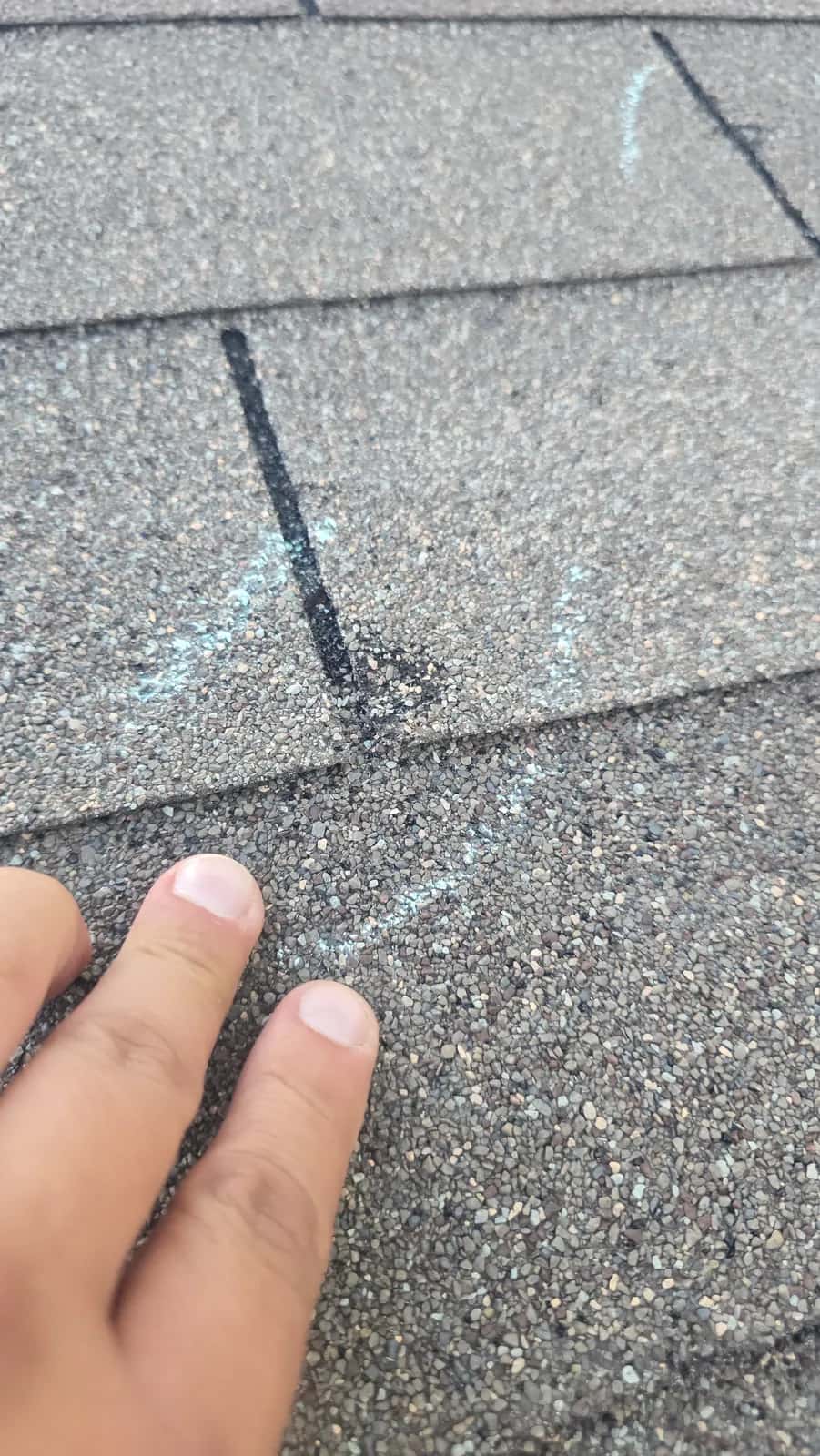
Fresh hail damage has a look to it. You see bright exposed asphalt, bruises with crisp edges, dents on vents and gutters that haven't oxidized yet. Twelve months of Texas sun dulls every bit of that, each storm that comes after muddies the record a little more, and a leak that starts in month nine opens the door to a "you failed to mitigate" argument over interior damage. We think the best time to file is within weeks of the storm, once an inspection confirms real damage. Worst time? The week before your deadline, with no photos and no storm date.
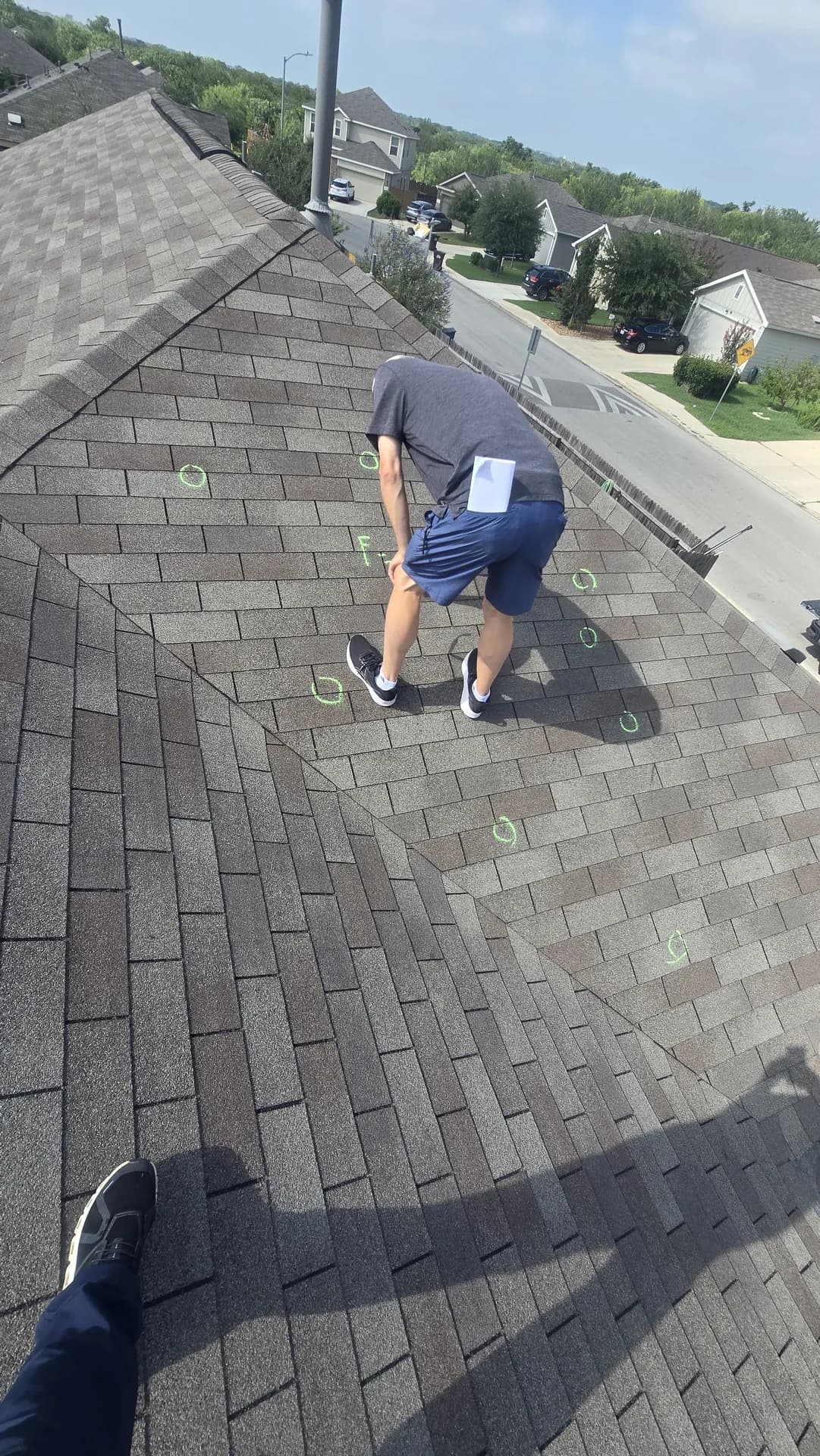
Not sure a storm even hit your house? A free roof inspection settles it. A good report has date-stamped photos and matches the damage pattern to storm reports for your address, and on an older loss that's exactly what a carrier wants to see. Our hail damage roof repair page shows what we document.
Missed the Deadline, or Close to It? Do This Now
Don't panic, and don't guess. Find the actual reporting language in your current policy.
Still inside the window? Report the claim now, even if you haven't lined up a contractor. Documentation can be added later. If you're past it, a carrier may still take late notice when you can show good cause or the delay didn't hurt its ability to investigate, so ask in writing instead of assuming they'll say no. Then get an inspection with a written report. And if the premium is what's holding you back, read will a hail claim raise your insurance rates in Texas before you make up your mind.
Texas-RRR works hail damage insurance claims across the San Antonio and Austin metros. Former insurance adjusters are on our in-house staff, and the team brings 30+ years of insurance claim experience to every file. We've written about why that helps in why a former insurance adjuster on your roofer's team matters. For how coverage works in the first place, start with does homeowners insurance cover roof replacement in Texas.
Your claim's clock is already ticking. Call (210) 802-6906, Monday through Saturday, 7 a.m. to 6 p.m., or schedule a free inspection, and we'll help you sort out where you stand while there's still time.
Related services
Hail Damage Insurance Claims from Texas-RRR, with a free estimate before any work starts.

Written by
Owner, Texas-RRR (veteran owned) · 30 years of roofing experience · Team with 30+ years of insurance claim experience · In-house former insurance adjusters · Registered and insured