
What Modified Bitumen Roofing Is, and When We Recommend It
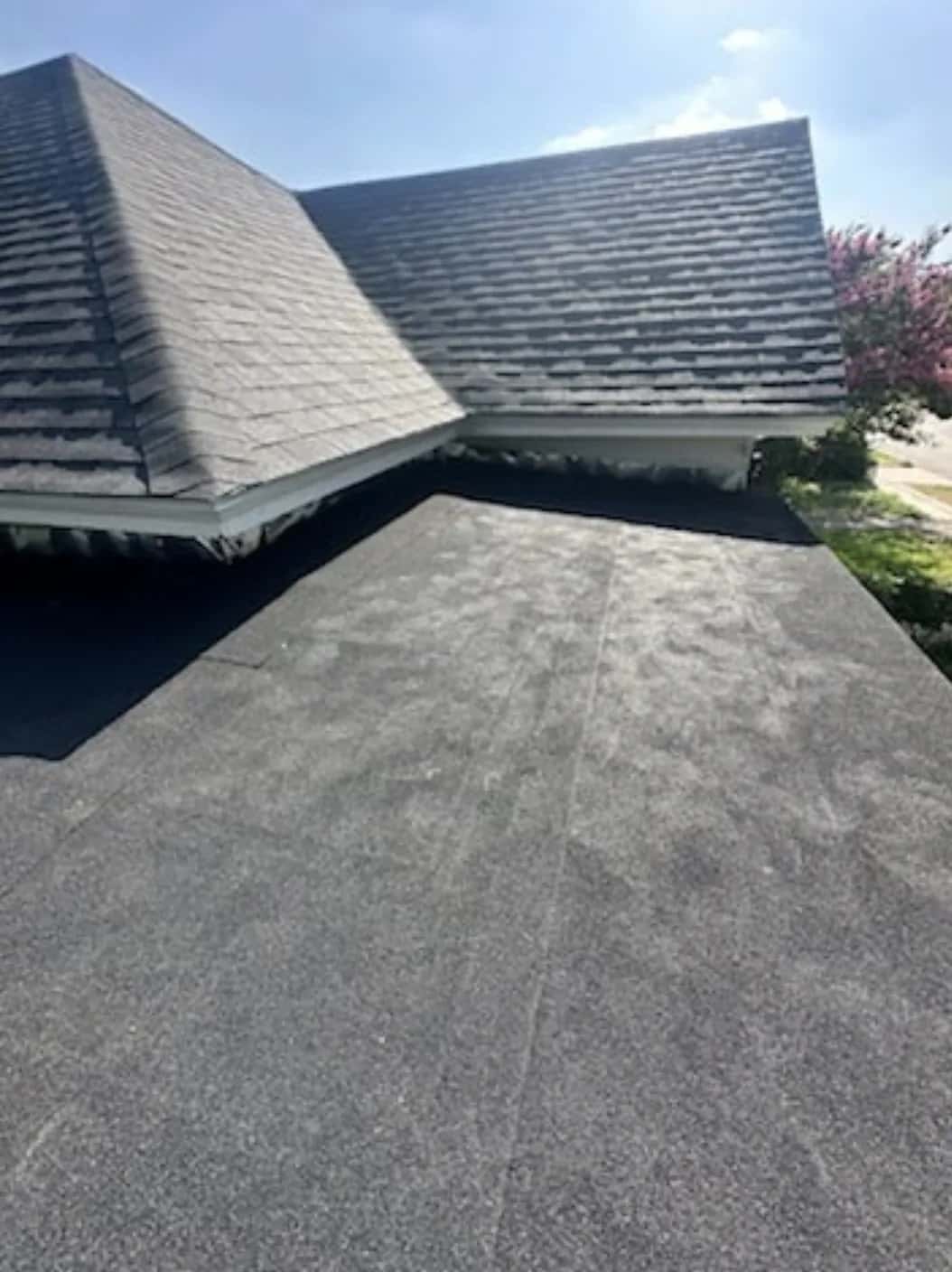
Climb onto the flat roof of a San Antonio strip center and odds are you'll be standing on modified bitumen roofing. Mod-bit, as everybody in the trade calls it, is asphalt blended with rubber (SBS) or plastic (APP), and that blend is why it stays flexible through a cold snap and doesn't slump in August. It goes on in two or more plies. Reinforced base sheet first, then a cap sheet with mineral granules facing up.
The granules are the wear layer. Keep them on and the asphalt underneath lasts.
You can install it three ways. APP gets torched as it rolls out, the "torch-down" roof most folks picture. SBS can be set in cold adhesive or come as peel-and-stick, so nobody's running an open flame over a wood deck or above a dining room full of customers. We do all three, and we pick by building, not by habit.
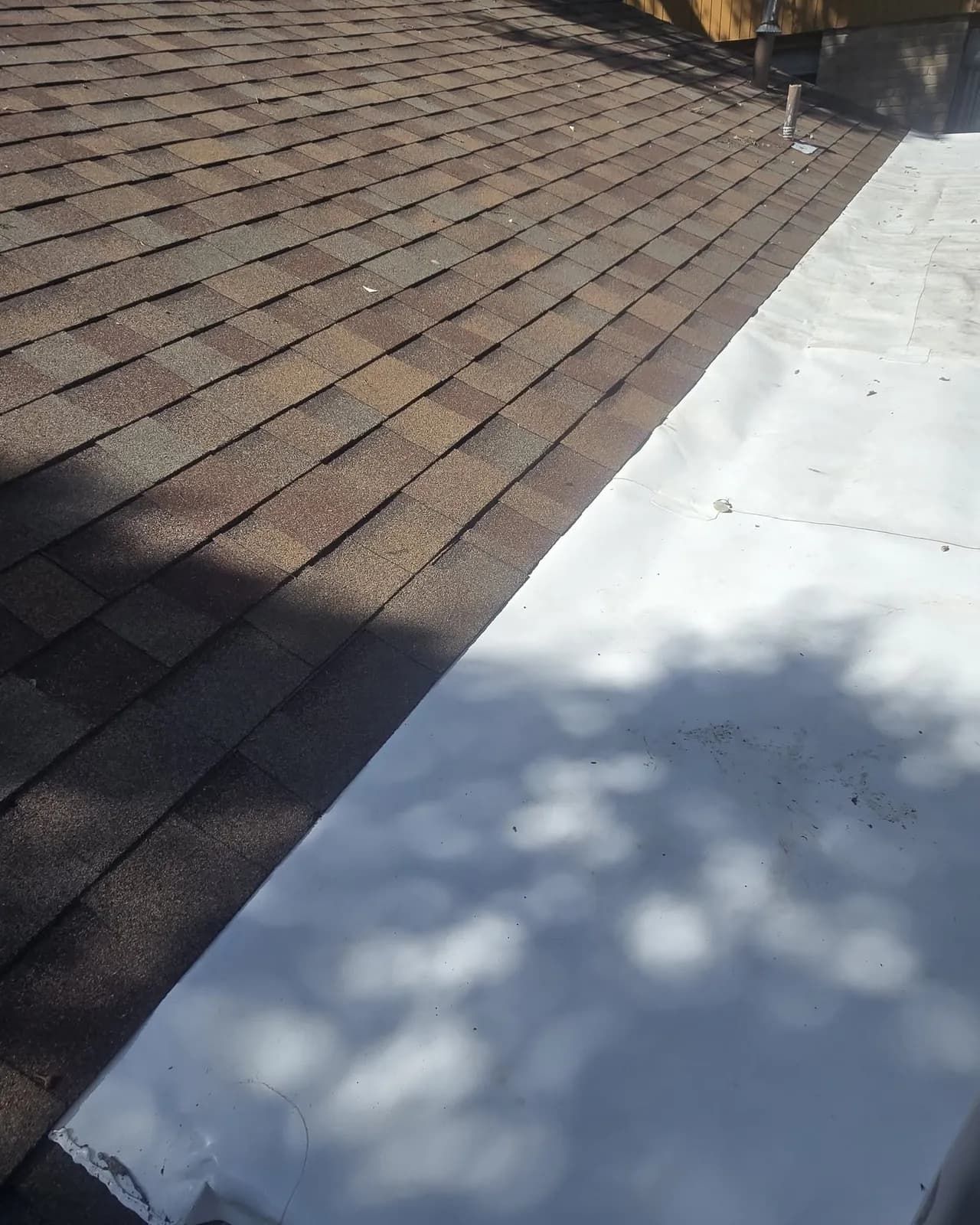
So when does it beat a single-ply sheet? When people walk on the roof. A granulated cap sheet takes boot traffic and the odd dropped wrench that would punch through a thin membrane. If you've got a big open warehouse roof nobody visits, though, TPO roofing is faster to install and more reflective, and we'll say so. Our flat roofing and flat roof repair page compares the two if you're still deciding.
Where we usually reach for modified bitumen roofing in San Antonio:
- Restaurants and retail with rooftop HVAC, exhaust fans and grease traps that get serviced every month.
- Roofs crowded with pipes, curbs and drains. Asphalt flashing wraps each one without a welded corner.
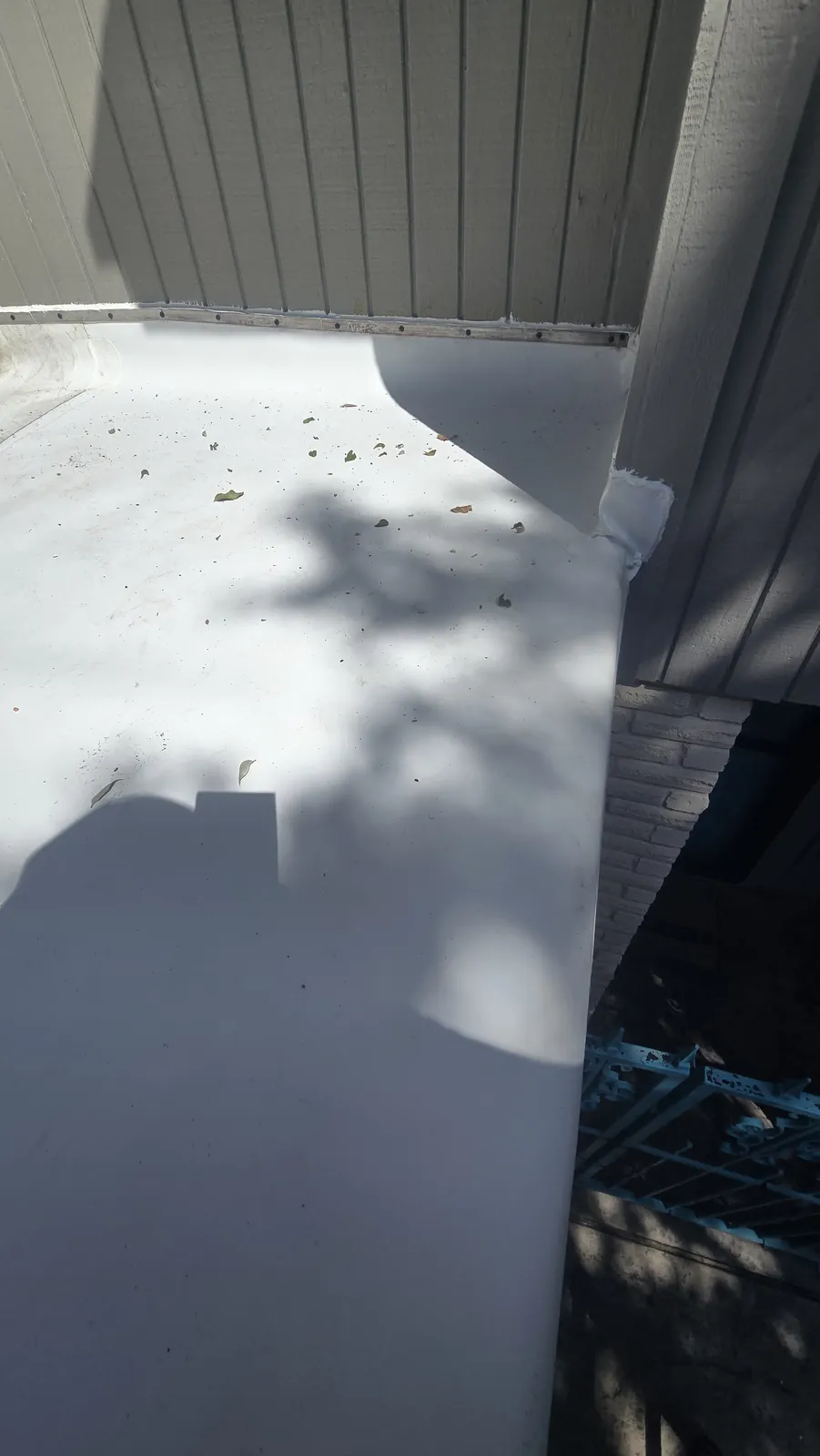
- The flat porch, carport or addition on a 1950s or 60s house here, where there's often mod-bit up there already and mixing systems makes no sense.
- Repairs and tie-ins on mod-bit that still has life left.